Understanding R-value and why it matters more than thickness alone for insulation
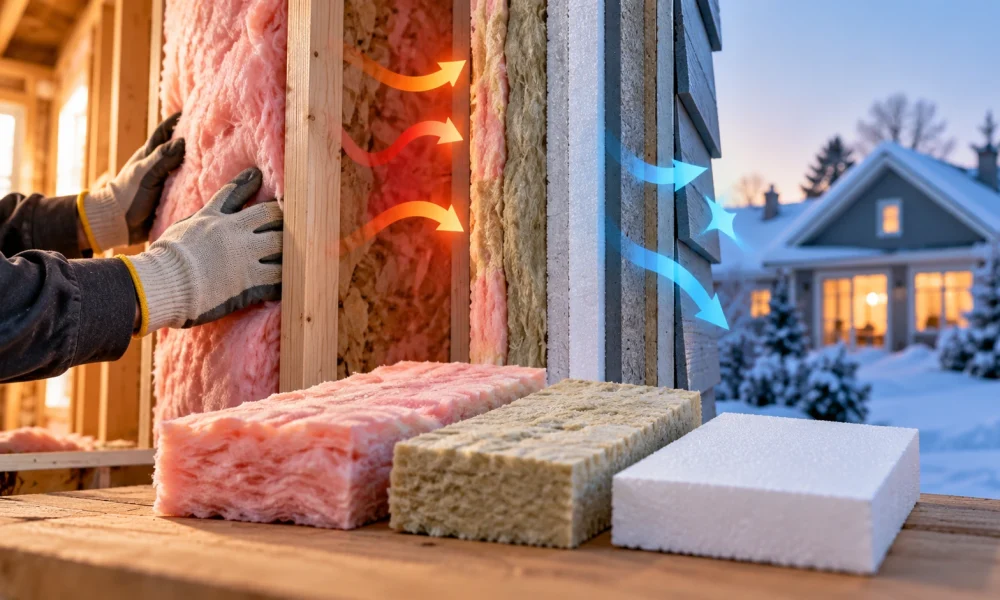
Insulation shopping often focuses on thickness as the primary indicator of how well a material will perform, but R-value, a measure of resistance to heat flow, is the number that actually determines insulating performance, and it doesn’t scale in a simple, linear way with thickness across different material types.
Different insulation materials achieve different R-values per inch of thickness: dense materials like rigid foam board deliver a higher R-value per inch than looser materials like fiberglass batting, meaning a thinner layer of one material can outperform a thicker layer of another, which matters considerably in spaces with limited depth to work with, like a finished attic knee wall.
Regional building codes typically specify minimum R-values by climate zone and by which part of a home is being insulated, walls, attics, and floors each carrying different minimums, since heat loss patterns differ significantly between these locations. Checking the specific requirement for a given climate zone before buying insulation, rather than assuming more thickness is automatically better, avoids both underperforming and unnecessarily overspending on material beyond what the space actually needs.
None of this requires professional-level expertise, just a bit of deliberate attention before committing to something expensive or hard to undo, which tends to matter more than most homeowners assume until the mistake is already made.
Getting this right the first time saves considerably more hassle than fixing it later, once furniture is in place or a wall is already painted, which is exactly why it’s worth a bit of extra care upfront.
It’s a small piece of practical home knowledge, but one that tends to save real money and frustration down the line, well beyond what its modest complexity would suggest.
None of it guarantees a flawless result by itself, but it removes one more variable from a project that already has enough that can go wrong along the way.