Shein Reports Modest Revenue Growth as Shipping Costs and Customs Rules Pressure Cross-Border E-Commerce
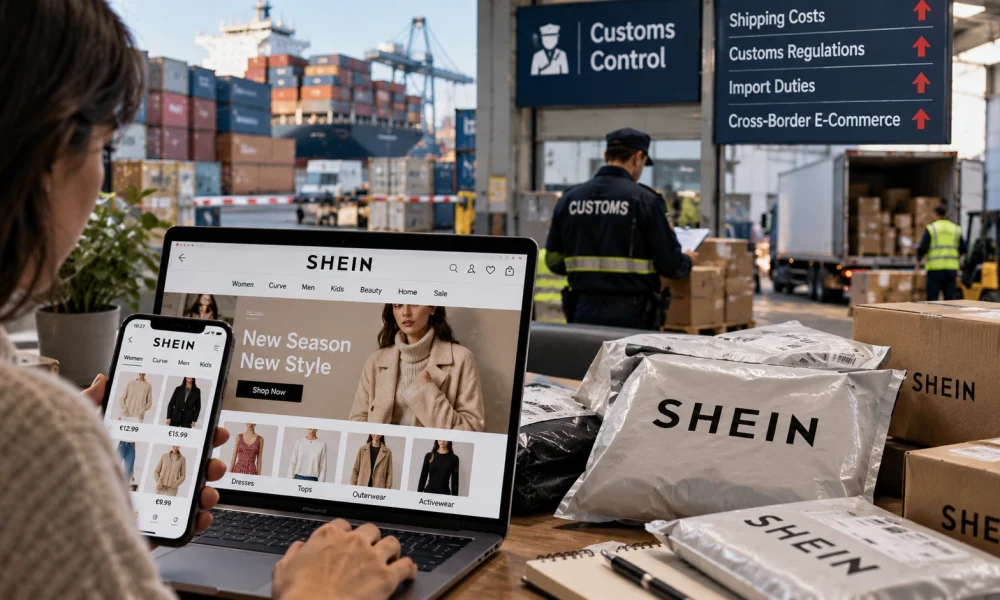
Shein’s latest financial figures highlight a major challenge facing global cross-border e-commerce: consumer demand remains strong, but the economics of international parcel delivery are becoming more difficult.
The fast-fashion company reported a 1% increase in net revenue in its first results as a public company, while rising shipping costs and changing customs rules put pressure on profitability.
Cross-border e-commerce is entering a new phase
For years, platforms such as Shein and Temu benefited from the ability to ship millions of low-value parcels directly to consumers.
That model helped reduce prices and allowed companies to sell globally without building large physical retail networks.
Regulators in several markets are now changing the rules.
Customs systems are being redesigned, low-value import exemptions are being reviewed and governments are paying closer attention to the environmental and logistical impact of millions of individual parcels.
Shipping costs are becoming more important
The economics of fast-fashion e-commerce depend heavily on logistics.
A low-cost product can remain competitive when delivery is cheap and customs treatment is favourable.
If shipping costs rise, the difference between direct cross-border sales and traditional retail becomes smaller.
This is forcing platforms to reconsider warehouse locations and regional fulfilment strategies.
AI is becoming part of the next phase
E-commerce companies are also investing heavily in artificial intelligence.
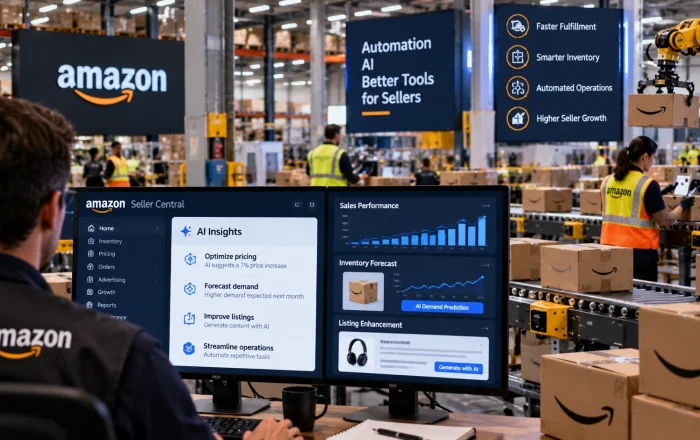
Amazon, for example, has introduced an agentic AI service designed to help third-party sellers automate pricing and inventory management.
AI can reduce operational costs while helping sellers react faster to changes in demand.
The battle is shifting from growth to efficiency
The first phase of global e-commerce was dominated by customer acquisition and rapid international expansion.
The next phase is likely to focus more heavily on margins.
Companies need to optimise logistics, returns, inventory, customs compliance and marketing expenditure.
That does not necessarily mean slower e-commerce growth.
It means the economics of growth are changing.
For consumers, the result could be slightly higher prices or longer delivery times in some cross-border markets.
For platforms, it means that logistics and regulatory expertise will become almost as important as product selection.