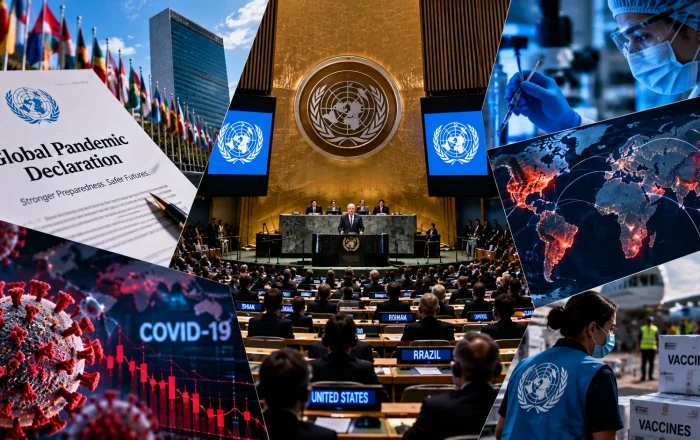
October Opens the Global Flu Vaccination Season as Health Experts Urge Early Protection
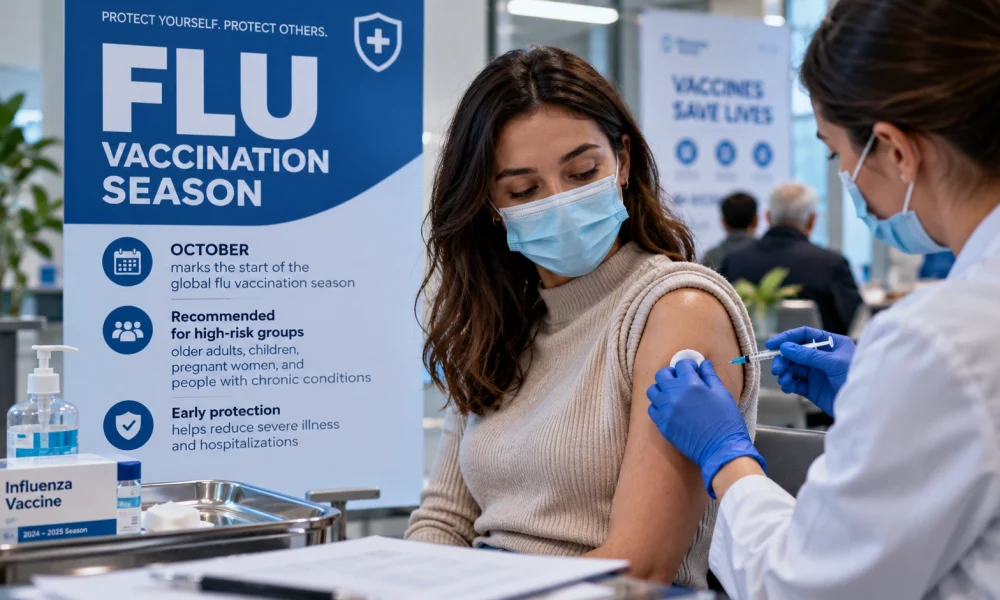
October marks the beginning of the main influenza vaccination period in the Northern Hemisphere, with health experts encouraging people to update their protection before seasonal transmission accelerates.
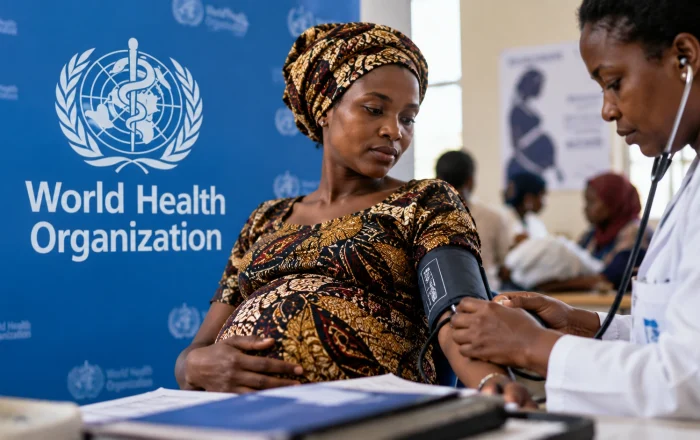
The recommendation is particularly important for older adults, pregnant women, young children and people with chronic medical conditions, who face a higher risk of severe complications from respiratory infections.
Why October matters
Influenza activity generally increases later in the autumn and winter.
Vaccination takes time to generate an immune response, which is why health professionals recommend receiving the seasonal vaccine before widespread transmission begins.
The objective is not to guarantee that vaccinated people will never become infected.
Instead, vaccination reduces the risk of severe disease and complications.
Respiratory viruses remain a wider concern
Flu is not the only respiratory infection expected to circulate during the colder months.
Updated COVID-19 vaccines are available, while RSV protection is recommended for certain vulnerable groups, including older adults and infants through maternal vaccination programmes in appropriate cases.
The combination of viruses can place significant pressure on hospitals during winter.
Global health systems are also facing major outbreaks
The importance of preparedness is illustrated by the Ebola outbreak in eastern Democratic Republic of Congo.
The outbreak has passed 4,000 deaths and more than 8,300 confirmed cases since it began in May, according to reports citing health authorities.
Mobile laboratories have reduced diagnostic turnaround times from as long as 72 hours to around six hours, but insecurity, shortages and mistrust continue to complicate containment efforts.
Technology is becoming part of outbreak response
The use of mobile laboratories demonstrates how technology can improve public health responses.
Faster diagnosis allows patients to be isolated and treated earlier while helping authorities track transmission.
Similar technological approaches are being developed for other infectious diseases.
Prevention remains the central message
The start of the flu season provides a reminder that vaccination remains one of the simplest tools available to reduce the impact of respiratory disease.
Healthcare systems are simultaneously preparing for seasonal influenza and other infections while continuing to manage longer-term public health challenges.
For individuals, the message is straightforward: October is the period when preventive measures can have the greatest impact before winter transmission intensifies.