Why humidity control matters as much as temperature for a comfortable home
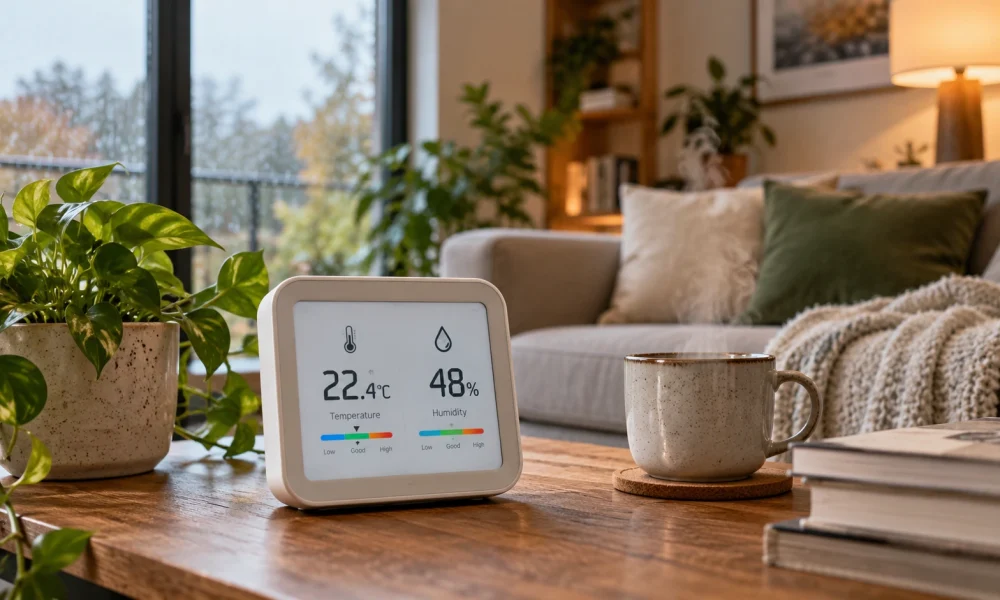
Home comfort discussions focus heavily on temperature, but humidity plays an equally significant role in how a space actually feels, and getting humidity wrong can make a technically correct temperature reading feel noticeably too hot or too cold regardless of what the thermostat says.
High indoor humidity makes warm air feel hotter than its actual temperature by limiting how effectively sweat can evaporate from skin, while very low humidity in winter can make a room feel colder than its thermostat reading and contributes to dry skin, static electricity, and irritated sinuses. The commonly recommended comfort range sits between 30% and 50% relative humidity, with levels outside that range causing both comfort and, over time, genuine structural issues like mold growth above the range or cracking wood furniture below it.
A simple hygrometer, inexpensive and widely available, gives an actual humidity reading rather than relying on how a room feels, which is worth checking before assuming a comfort problem is purely about temperature and adjusting the thermostat alone, when a dehumidifier or humidifier might address the actual underlying issue more directly and efficiently.
None of this requires professional-level expertise, just a bit of deliberate attention before committing to something expensive or hard to undo, which tends to matter more than most homeowners assume until the mistake is already made.
Getting this right the first time saves considerably more hassle than fixing it later, once furniture is in place or a wall is already painted, which is exactly why it’s worth a bit of extra care upfront.
It’s a small piece of practical home knowledge, but one that tends to save real money and frustration down the line, well beyond what its modest complexity would suggest.
None of it guarantees a flawless result by itself, but it removes one more variable from a project that already has enough that can go wrong along the way.