Adult LEGO Fans Are Turning Collecting Into a Major Lifestyle Market
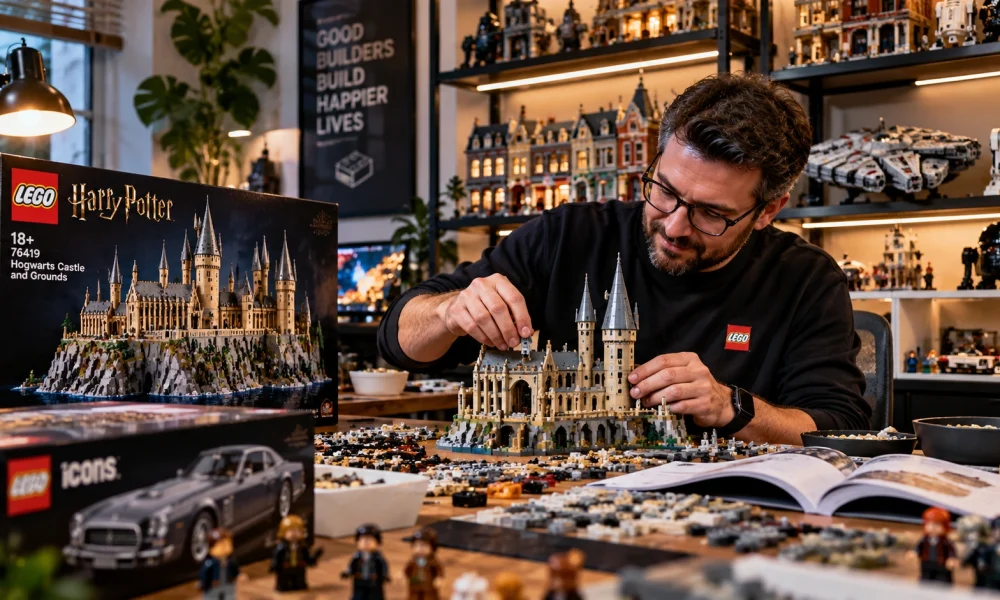
More than 1,000 adult LEGO enthusiasts gathered in Denmark this week near the birthplace of the toy company, highlighting a market that has become increasingly important for the global toy industry.
LEGO has increasingly positioned products not only as children’s toys but also as collectibles, design objects and entertainment products for adults. The company reported net profit of around €1.15 billion in the first half of 2026, up 32% year on year.
Adults are becoming a core audience
The growth of adult LEGO consumers reflects a wider change in the global entertainment market.
Consumers are increasingly spending money on products connected to nostalgia, hobbies and personal interests.
Building sets can function as a creative activity, collectible investment or display object.
From toy to cultural product
LEGO has expanded into collaborations with film studios, video games, architecture and popular culture.
The company is also increasingly targeting collectors with complex sets that require many hours to assemble.
This has created a category somewhere between traditional toys, collectibles and design.
Community drives the market
Adult fan communities are particularly important because they generate content, organise events and create secondary demand for older sets.
Large gatherings allow collectors to exchange knowledge and display their creations.
The community also gives LEGO a direct relationship with consumers who are highly engaged with the brand.
The broader experience economy
The development is part of a wider trend in which consumers spend more on experiences connected to their hobbies.
Gaming conventions, collectible fairs, fan festivals and creative workshops have all expanded.
For brands, these communities can be more valuable than traditional advertising because consumers actively participate in the product ecosystem.
Why the trend matters
The growth of adult consumers gives toy companies access to a customer segment with greater purchasing power than children.
It also reduces dependence on seasonal children’s demand.
LEGO’s success demonstrates that traditional products can be repositioned when companies build strong communities around them.
The adult collector is increasingly becoming an important part of the global lifestyle economy.