Valorant Champions 2026 Highlights the Growing Global Competition Between Esports Regions
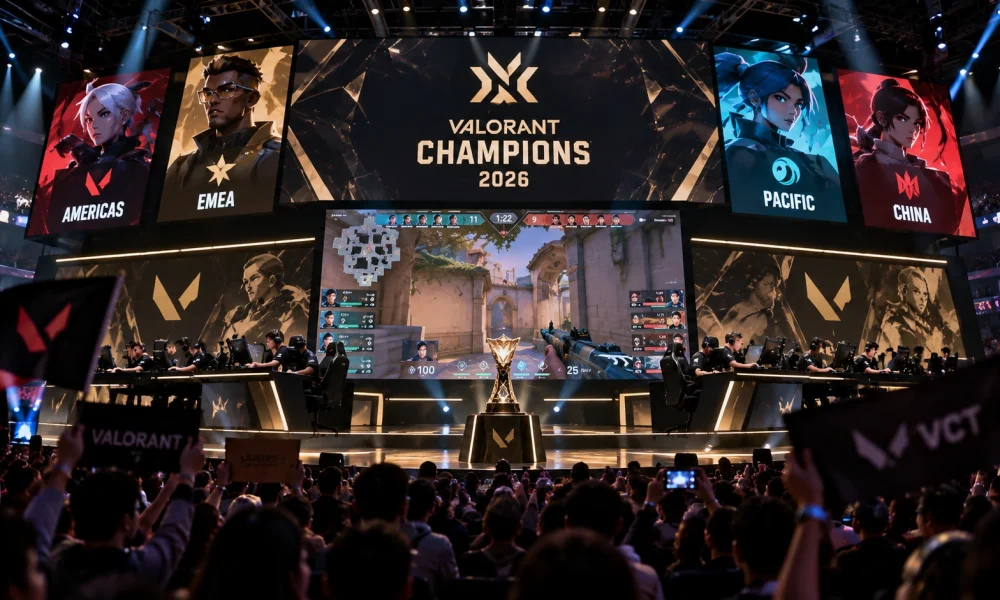
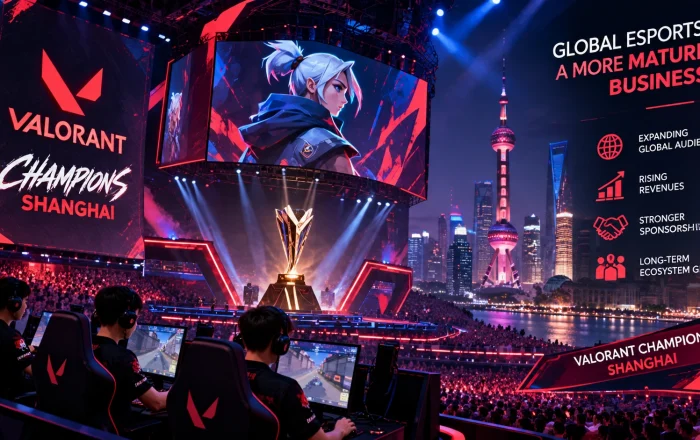
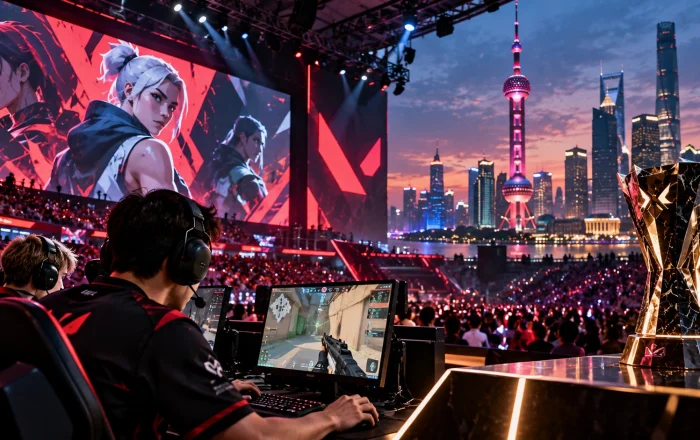
Valorant Champions 2026 is providing another example of how competitive gaming has evolved into a genuinely global sporting ecosystem, with teams from multiple regional leagues competing for the world title.
One of the latest results saw Global Esports defeat China’s EDward Gaming 2-0, eliminating the 2024 world champions from the tournament.
Regional competition is becoming central to esports
Modern esports is increasingly organised around regional leagues.
North America, Europe, Pacific and China have developed separate competitive ecosystems before meeting at international tournaments.
This structure creates strong regional identities and allows teams to develop locally before entering global competition.
China faces a difficult tournament
The 2026 competition has produced a challenging result for Chinese representatives.
All four of the teams finishing at the bottom of the tournament came from the Chinese VCT region, according to industry reporting.
That result has generated discussion about the competitiveness of different regional ecosystems.
It also demonstrates how quickly the balance between esports regions can change.
International tournaments create a global audience
Unlike traditional sports, esports can reach a global audience almost instantly through streaming platforms.
A tournament held in one country can generate viewers across dozens of markets.
This gives sponsors access to a highly international audience.
The professional structure is becoming more sophisticated
Teams now operate with coaches, analysts, performance staff and specialised management.
Players are recruited internationally, while organisations invest heavily in training facilities and content production.
The business model increasingly resembles professional sport.
The esports industry continues to diversify
Valorant is only one part of a much broader global ecosystem that includes Counter-Strike, League of Legends, Dota 2, mobile games and sports simulations.
Major events are increasingly connected to tourism, advertising, technology and entertainment.
For cities that host them, international tournaments can generate hotel demand, hospitality spending and media exposure.
The latest Valorant Champions results underline a broader trend: esports is no longer a collection of isolated gaming communities. It has become an international competitive industry in which regional strength, player development and commercial infrastructure all influence the global scene.