Smart home basics: where to start if you’re just getting into it
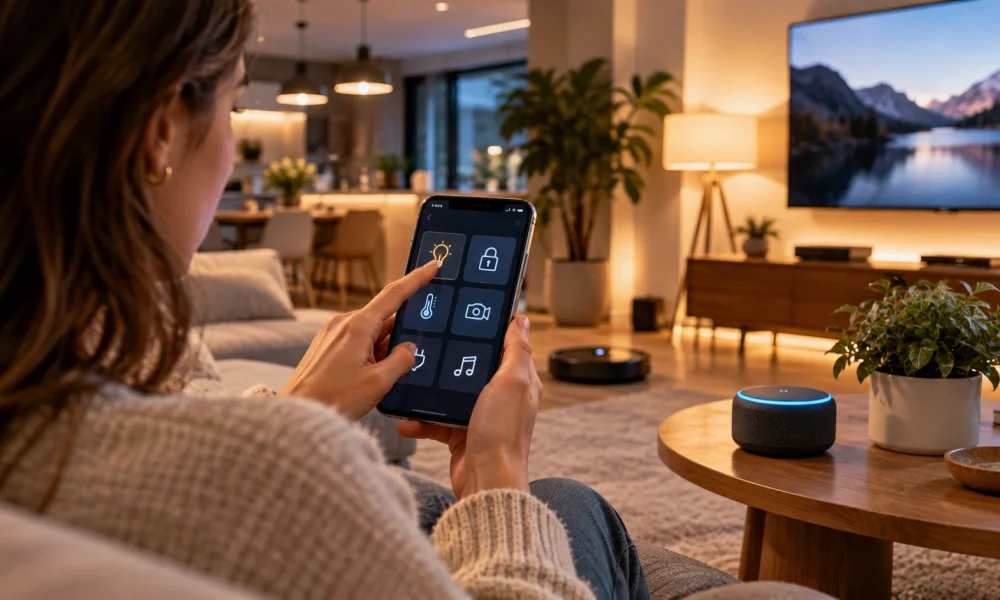
Smart home setups can spiral quickly from one lightbulb into a tangle of apps, hubs and accounts that nobody in the house fully understands. Starting small and sticking to one ecosystem, at least at first, saves a lot of that headache later, even if it means giving up a slightly cheaper device here and there.
A reasonable first project is usually lighting or a couple of smart plugs, since both are cheap to test, easy to undo, and immediately noticeable if something isn’t working right. From there, most people naturally expand toward things that solve an actual daily annoyance — a video doorbell for missed deliveries, smart thermostats for a house with inconsistent heating, or motion-triggered lights for a hallway nobody wants to grope through in the dark. Buying around a specific problem tends to produce a more useful setup than buying whatever looks impressive in a store display.
One habit worth building early is keeping a note of which accounts control which devices, along with their passwords, somewhere the whole household can find if needed. Smart home systems tend to outlive whoever originally set them up remembering all the details.
It’s also fine to admit that some smart home gadgets simply aren’t worth it for a given household, no matter how well-reviewed they are elsewhere. A feature that solves someone else’s daily annoyance won’t necessarily solve yours, and skipping it isn’t a failure to keep up with technology.
Starting small and expanding only when a real need shows up tends to produce a smart home that actually gets used, rather than an expensive collection of gadgets nobody quite remembers how to control.
In the end, the people who get the most out of technology at home tend to be the ones who treat it as something to periodically tidy and check in on, not something that’s set up once and left alone indefinitely.