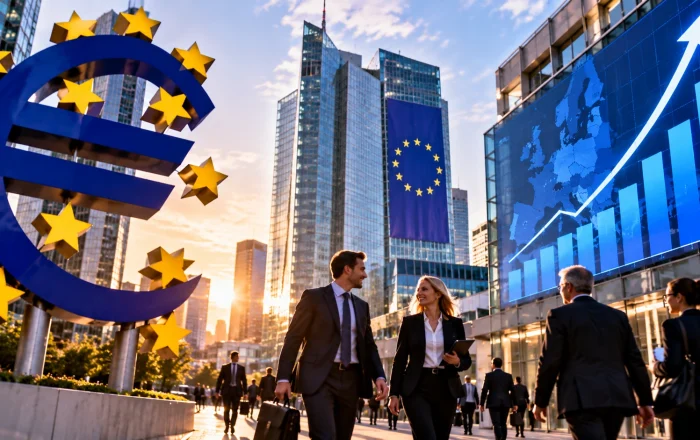
Global Growth Faces a Fresh Challenge as the United Nations Warns of a Slower Economy
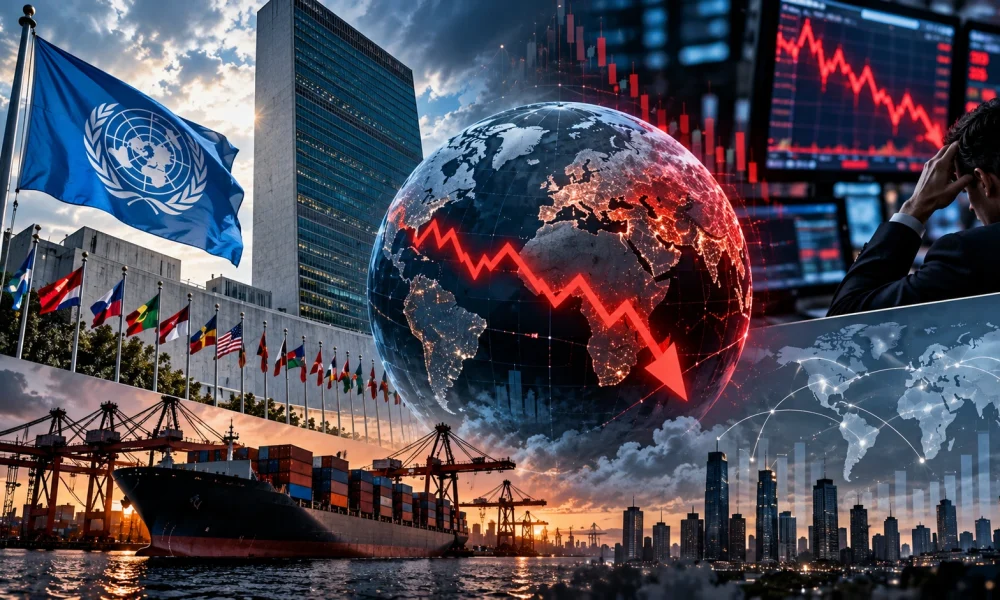
The global economy is facing a more difficult outlook as geopolitical disruption, energy costs and uncertainty over trade weigh on business confidence. On October 9, the United Nations trade and development body warned that global economic growth is expected to slow to 2.6% in 2026, compared with 2.9% last year.
The forecast points to an economy that is still expanding, but at a weaker pace. It also highlights the uneven effects of global disruption, with some sectors benefiting from technology investment while others struggle with rising costs and fragile demand.
Growth is becoming less predictable
Businesses make investment decisions based on expectations about demand, financing and supply chains. When those expectations become less reliable, companies may delay expansion, reduce hiring or hold more cash.
Energy prices have become a particular concern. Higher oil prices can increase transportation and production costs, while also reducing the amount households have available for discretionary spending.
For companies operating across several countries, the impact can be especially complicated. A business may benefit from demand in one market while facing higher costs or weaker sales in another.
Technology is providing a partial offset
Investment in artificial intelligence and related infrastructure has supported activity in parts of the global economy.
Demand for semiconductors, data centres and advanced computing equipment has created opportunities for manufacturers and technology suppliers. The World Trade Organization has also pointed to AI-related products as an important support for merchandise trade despite wider geopolitical disruption.
However, this growth is concentrated in particular industries. It does not automatically translate into stronger demand across retail, manufacturing, travel or household services.
Smaller economies face difficult choices
Countries with high energy-import bills are particularly exposed to a sustained rise in oil prices. More expensive imports can weaken trade balances, increase inflation and put pressure on national currencies.
Governments may then face competing priorities: supporting households, maintaining public investment and keeping public finances under control.
Businesses also have to consider the cost of borrowing. If inflation remains elevated, central banks may be reluctant to reduce interest rates, leaving companies with more expensive financing.
What the outlook means for employers
Slower growth does not necessarily mean a recession. It does, however, make planning more difficult.
Companies may become more selective about new projects, prioritise productivity and look for ways to reduce operating costs. Some may continue investing aggressively in technology while cutting expenditure elsewhere.
For workers, the consequences could differ by sector. Businesses with strong demand may continue hiring, while companies exposed to weak consumer spending or high financing costs may become more cautious.
The central question for the coming months
The global economy is being pulled in different directions. Technology investment supports some industries, while geopolitical tensions and energy costs create obstacles for others.
The United Nations forecast is a reminder that headline growth figures can conceal substantial differences between countries, sectors and households.
The challenge for policymakers and business leaders is to protect investment and productivity without ignoring the immediate pressures on consumers and smaller companies.