Luxury Fashion Embraces More Experimental Footwear as Consumers Search for Individuality
Fashion consumers are becoming increasingly interested in footwear that stands out rather than simply completing an outfit, according to recent analysis from Vogue Business.
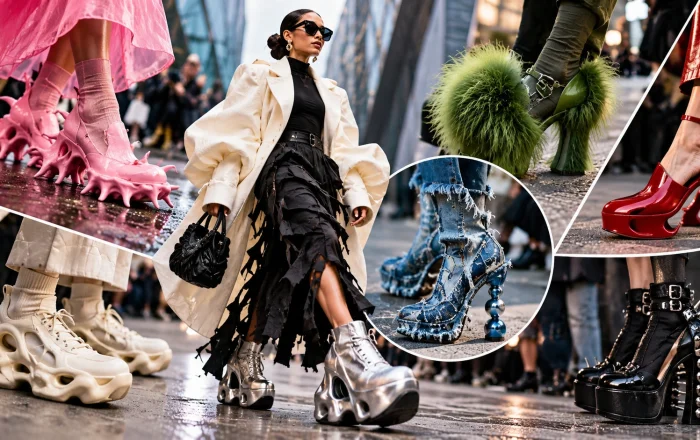
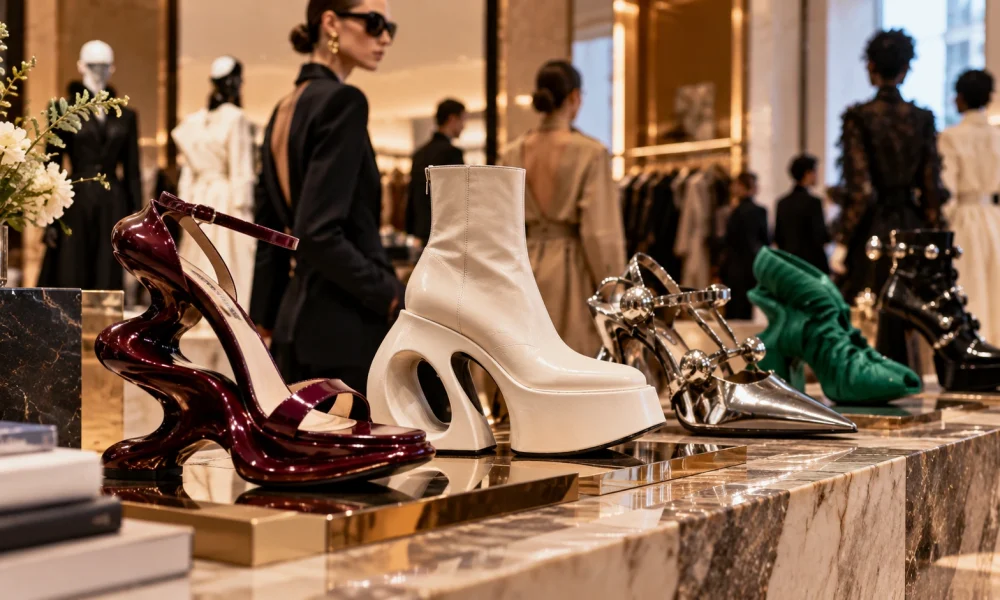
The shift can be seen in growing demand for unusual shoes, exaggerated silhouettes and designs that deliberately move away from traditional luxury footwear.
The development reflects a wider change in fashion.
After several years in which minimalism and quiet luxury dominated style conversations, consumers are increasingly experimenting with products that communicate personality.
Shoes have become a statement
Footwear has always played an important role in fashion, but its role is changing.
A shoe can now become the central element of an outfit.
Large silhouettes, unusual heels, sculptural shapes and unexpected materials can transform relatively simple clothing.
This is particularly relevant at a time when consumers are becoming more cautious about spending.
If someone buys fewer luxury items, they may choose products distinctive enough to justify the investment.
The end of quiet luxury?
Quiet luxury is unlikely to disappear completely.
Neutral colours, high-quality materials and discreet branding remain important in the premium market.
But the dominance of that aesthetic is weakening.
Consumers increasingly want a combination of quality and individuality.
That creates space for designers to experiment.
The shift can also be seen on social media, where unusual fashion pieces are more likely to attract attention than conventional products.
Designers are responding
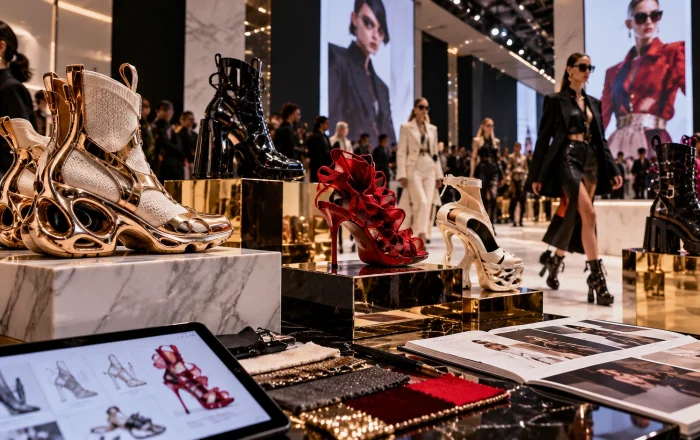
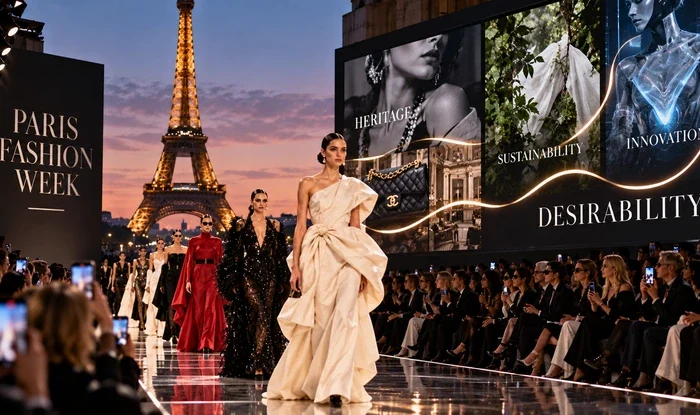
Fashion houses are introducing increasingly distinctive footwear designs as they compete for attention.
Shoes can also be easier to experiment with than entire wardrobes.
A consumer may not be willing to buy an extremely unconventional coat, but an unusual pair of shoes can be incorporated into an otherwise simple outfit.
That makes footwear an attractive category for experimentation.
The resale market matters too
The growing importance of resale has also influenced fashion.
Consumers increasingly think about whether an item will remain desirable beyond a single season.
Distinctive pieces can become valuable if they develop cult status.
At the same time, buyers are becoming more aware of how quickly trends change.
That creates tension between novelty and longevity.
The strongest designs may be those that feel unusual without becoming completely tied to one moment.
Fashion is becoming more individual
The wider movement toward expressive footwear reflects a broader change in consumer behaviour.
People are increasingly combining products from different price levels and styles.
A luxury handbag can be worn with vintage clothing.
Designer shoes can be combined with mass-market basics.
Second-hand pieces can appear alongside new collections.
The result is a less predictable fashion landscape.
Social media accelerates the trend
Digital platforms have made fashion discovery much faster.
A shoe can become globally popular within days after appearing on a celebrity, influencer or runway.
Designers therefore have an incentive to create products that photograph well and are immediately recognisable.
This can encourage more experimental shapes and colours.
Luxury needs new reasons to attract consumers
The shift is particularly important for luxury brands facing a difficult global market.
Consumers are questioning whether traditional luxury products provide enough differentiation.
An unusual shoe offers a simple answer.
It can create an emotional reaction and give the buyer something that feels personal.
The trend therefore says something larger about fashion in 2026.
Consumers are not necessarily abandoning luxury.
They are asking it to become more interesting.
The next stage of the luxury market may be defined by products that combine craftsmanship with personality rather than relying primarily on logos or discreet status.