Architecture Is Moving Toward More Adaptable Buildings as Community Becomes Central to Design
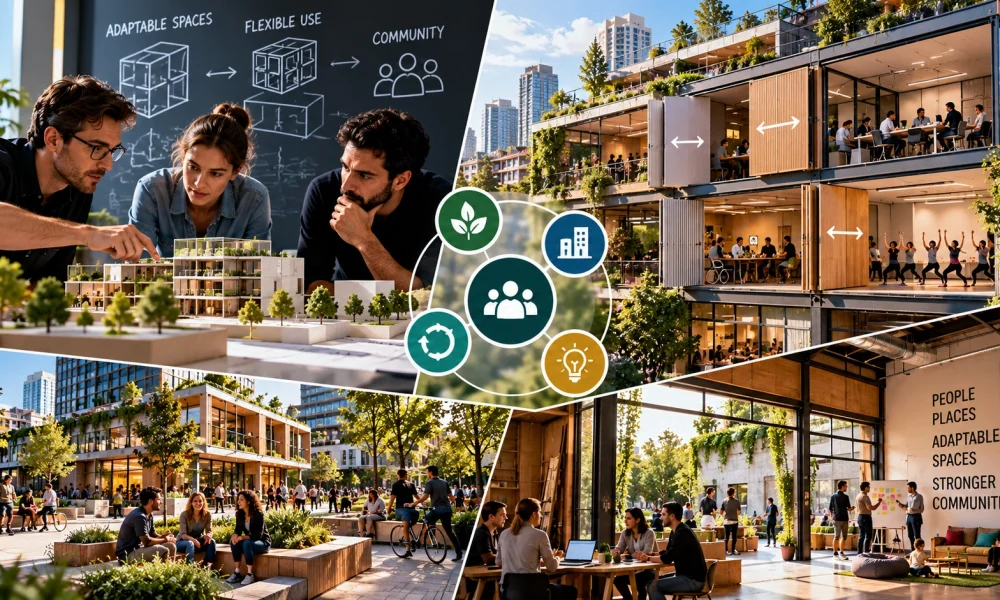
Contemporary architecture is beginning to move away from an obsession with spectacular buildings and increasingly focusing on how spaces are actually used by people.
A series of projects highlighted this week demonstrates the shift. Examples include the transformation of a Victorian power station into a facility for Oxford University, the opening of the former Zaha Hadid studio as a public arts centre and a residential project in Brooklyn built around a multicoloured brick facade.
Reuse is becoming central to architecture
One of the most interesting projects involves transforming a former power station into educational and accommodation space for Saïd Business School.
Instead of being demolished, the building is being given a new purpose.
This approach is becoming increasingly important in an industry that needs to reduce the environmental impact of construction.
Demolishing and rebuilding a structure consumes significant amounts of energy and materials.
Reusing an existing building can reduce some of those costs.
Buildings need to survive change
A good building is not simply one that looks impressive on the day it opens.
It needs to be adaptable.
A former power station can become a school.
A former headquarters can become a cultural space.
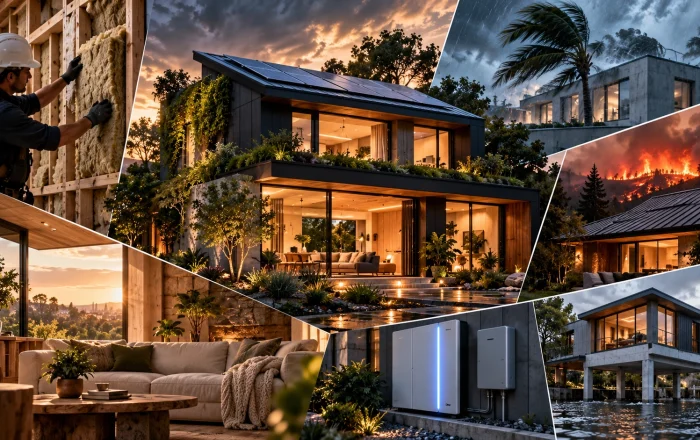
A residential building can be designed to respond to changing needs.
That flexibility is becoming increasingly important as the way people work and use cities continues to evolve.
Public space is returning to the conversation
The transformation of the former Zaha Hadid studio into a public arts space is another example.
Buildings associated with important architects can become more than monuments.
They can become part of everyday community life.
That idea is particularly relevant for cities trying to preserve architectural heritage without turning historic buildings into simple tourist attractions.
Materials are becoming part of identity
The Brooklyn residential project uses bricks in several earthy tones to create a distinctive facade.
It is an example of how traditional materials can be used in a contemporary architectural language.
Brick, wood, stone and concrete are no longer viewed only as technical materials.
They are becoming elements that define the character of a neighbourhood.
Design is moving beyond pure minimalism
The same trend is visible indoors.
Highly polished and uniform interiors are losing some of their dominance.
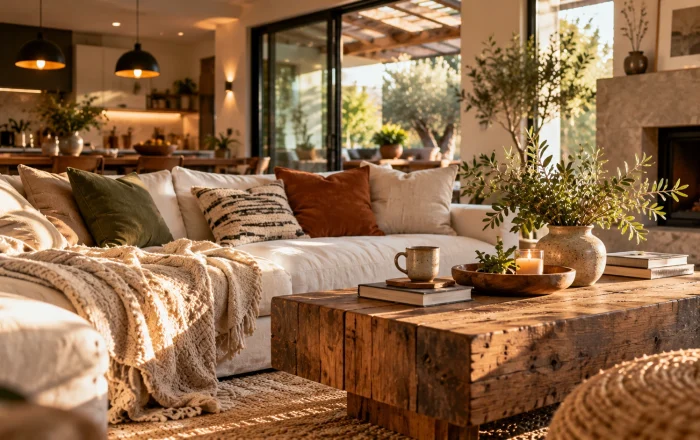
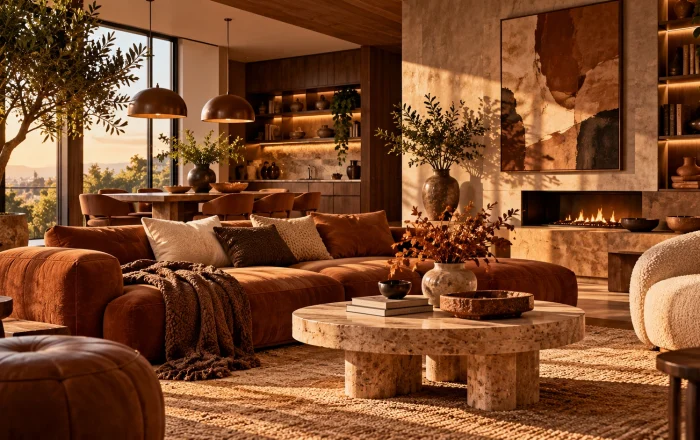
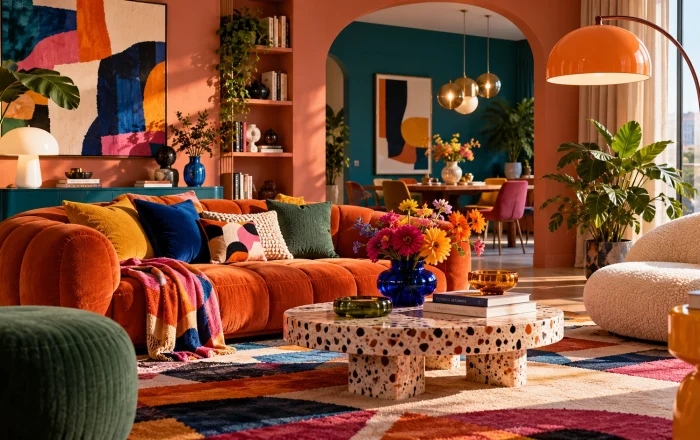
Designers are increasingly using more textures, natural materials, objects with history and warmer combinations of colours.
The home is expected to be comfortable and personal, not simply photogenic.
Sustainability is changing priorities
Pressure for more sustainable construction is also expanding into digital infrastructure.
Data centres, for example, consume enormous quantities of energy and water, and governments in Europe and Australia are preparing stricter rules around efficiency and resource use.
This shows that sustainability is no longer a separate issue from architecture.
It is becoming part of the decision about where and how buildings are constructed.
The future of the home is more flexible
The current direction points toward architecture that is less concerned with perfection and more interested in use.
Buildings need to last, adapt and provide value to their communities.
For homes, that means more personal spaces.
For cities, it means more reuse.
For architects, it means that the success of a project will increasingly be measured not only by how it looks, but also by what happens inside and around it after completion.