7-Eleven’s US Business Moves to Bring More of Its Supply Chain In-House as Inflation Bites
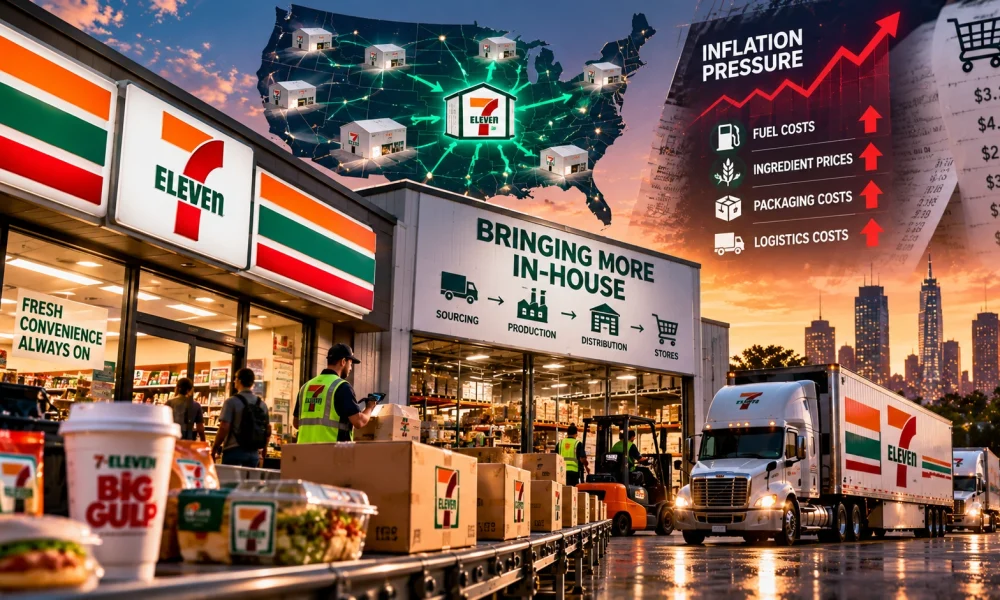
7-Eleven’s North American business is looking to bring more of its supply chain under direct control as inflation raises the cost of running convenience stores. The move reflects a wider effort across retail to improve purchasing, distribution and inventory management at a time when margins are under pressure.
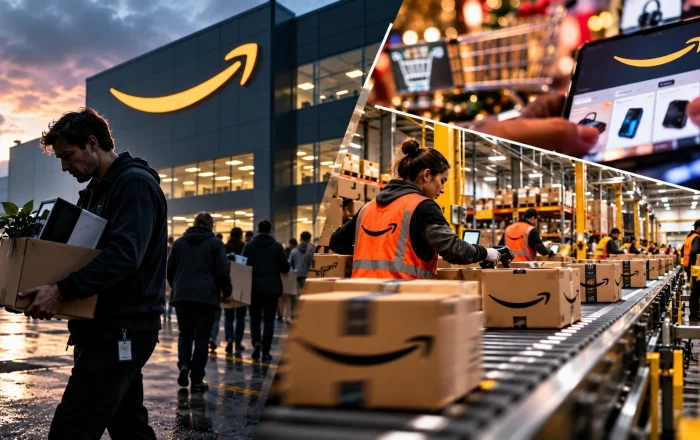
Although 7-Eleven is best known for its physical stores, its supply chain decisions are increasingly relevant to the wider retail economy, including online shopping and rapid delivery services.
Why supply chains matter more than ever
Retailers depend on a complicated network of manufacturers, distributors, warehouses and transport providers. Every additional stage can add cost, delay and uncertainty.
When inflation pushes up wages, fuel and wholesale prices, those costs can quickly erode profit margins.
Bringing more operations in-house can give a retailer greater control over purchasing and distribution. It may also improve visibility into stock levels and reduce dependence on external suppliers.
However, direct control requires investment. Companies need logistics expertise, technology, facilities and staff, so the strategy only works if the long-term savings justify the initial cost.
Convenience retail is under pressure
Convenience stores compete on location, speed and availability. Customers expect essential products to be in stock and easy to buy, often at short notice.
That creates a difficult operational balance. Carrying too much inventory ties up cash and risks waste, while carrying too little can lead to lost sales.
More direct control over supply chains may help retailers respond faster to changes in demand and reduce unnecessary handling.
The connection with e-commerce
The boundary between physical retail and e-commerce is becoming less clear. Customers increasingly expect stores to support digital ordering, quick collection and delivery.
Retailers therefore need inventory systems that can coordinate online and offline demand. A product shown as available digitally must actually be available at the right location.
Supply chain improvements can help retailers fulfil those expectations while controlling costs.
Consumers may notice the effects
If retailers become more efficient, they may be better able to maintain competitive prices or keep essential goods available during periods of disruption.
But efficiency does not guarantee lower prices. Companies may use savings to protect margins, invest in technology or offset other rising costs.
Consumers should also expect retailers to become more disciplined about the products they stock. Items that sell slowly may lose shelf space to products with stronger demand or better margins.
A wider lesson for retail
The move by 7-Eleven reflects a broader shift in how retailers think about logistics. Supply chains are no longer treated as a back-office function. They are becoming a central part of competitive strategy.
Retailers must offer convenience while managing increasingly complex cost structures.
For e-commerce businesses, the lesson is similar: fast delivery and broad product choice only work when the underlying supply chain is reliable and financially sustainable.