Fashion’s New Obsession With “Freaky Shoes” Signals a Return to Individual Style
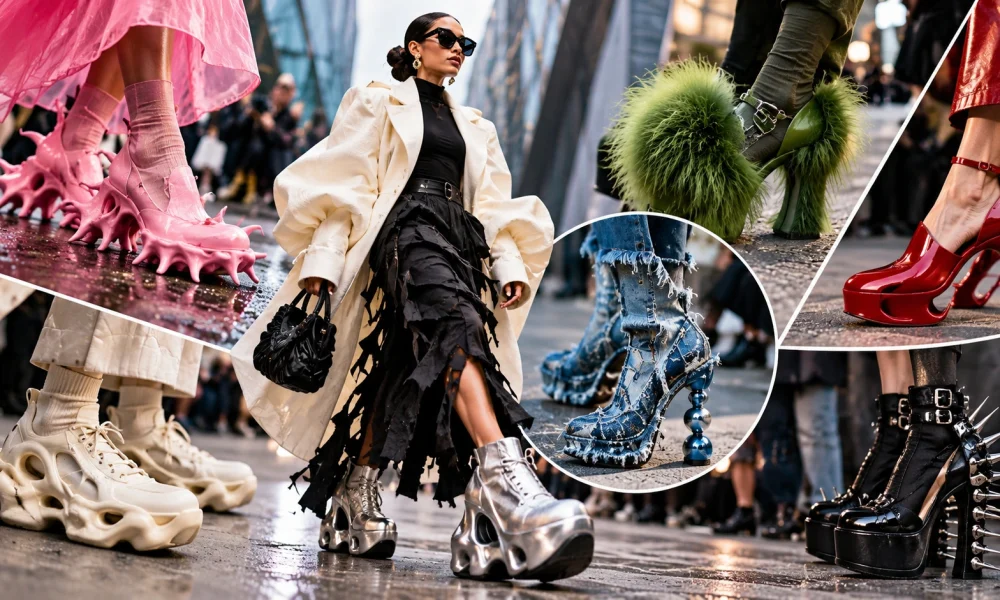
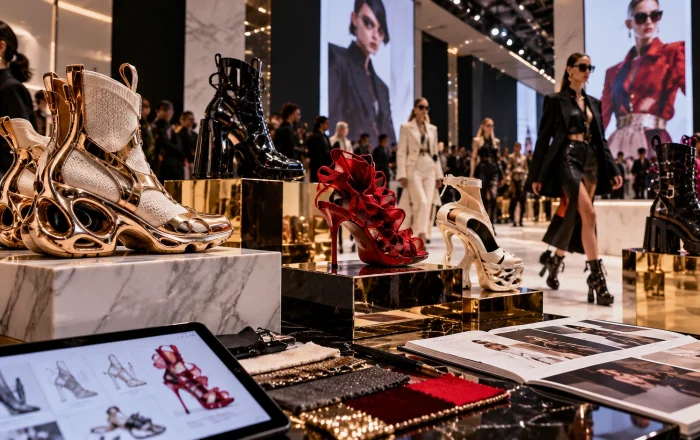
The fashion industry is moving into a more experimental phase as consumers increasingly look for footwear that is unusual, recognisable and difficult to confuse with anything else.
Vogue Business reported on October 6 that consumers are increasingly interested in what it described as “freaky shoes”, while brands are responding with more exaggerated silhouettes and unconventional designs.
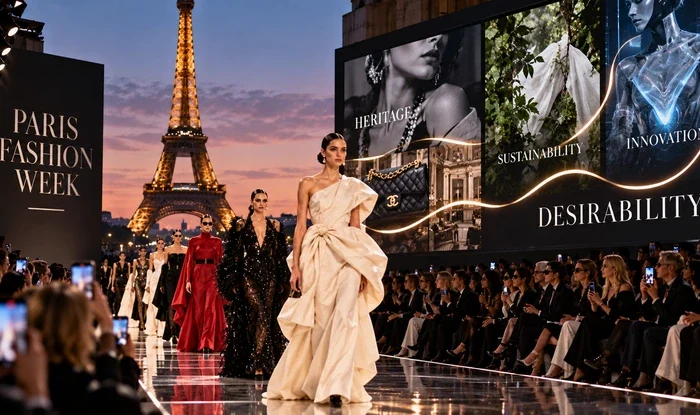
The trend is important because it reflects a wider change in luxury fashion.
For several years, quiet luxury dominated the conversation.
Neutral colours, discreet logos and understated tailoring became symbols of sophistication.
That aesthetic is not disappearing, but it is losing its monopoly.
Consumers want something recognisable
In a crowded fashion market, individuality has become valuable.
A distinctive shoe can transform an otherwise simple outfit.
It can also create social-media attention.
That makes footwear particularly attractive to designers.
A pair of unusual shoes can generate conversation without requiring the consumer to completely change their wardrobe.
The influence of social media
Fashion trends now move extremely quickly.
Instagram, TikTok and other platforms allow consumers to see runway products almost immediately.
Unusual designs perform well because they are visually distinctive.
That creates a feedback loop.
Designers create more recognisable products.
Consumers share them.
The increased visibility encourages more consumers to experiment.
Quiet luxury is evolving
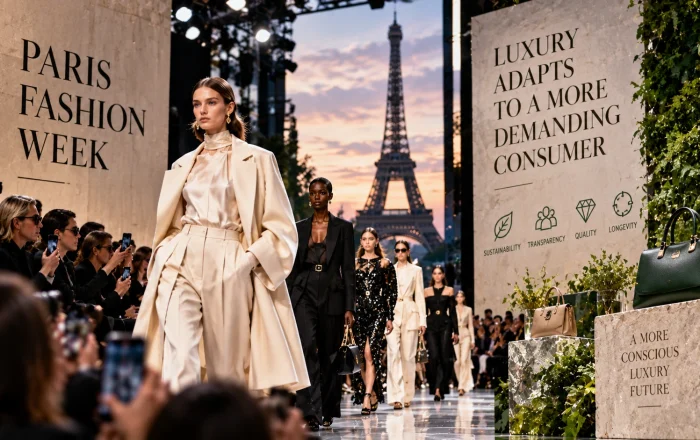
The return of expressive fashion does not mean consumers have stopped caring about quality.
In fact, craftsmanship may become even more important.
A highly unusual shoe can only justify a luxury price if consumers believe it has genuine design value.
This creates an opportunity for established brands.
They can combine experimental forms with high-quality materials and traditional craftsmanship.
The resale market adds another dimension
Resale platforms have changed how consumers think about fashion.
Buyers increasingly consider whether an item will retain desirability after the current season.
A distinctive product can become collectible.
But there is also a risk.
Some experimental designs may quickly become dated.
Consumers therefore have to balance individuality with longevity.
Designers are responding to a fragmented market
Fashion is becoming less unified.
There is no single dominant aesthetic.
Minimalism exists alongside maximalism.
Vintage fashion exists alongside futuristic design.
Luxury products can be mixed with inexpensive clothing.
This fragmentation creates opportunities for consumers to develop highly individual styles.
Shoes are ideal for experimentation
Footwear offers a relatively low-risk way to experiment.
Someone may prefer a simple wardrobe but still wear an unusual shoe.
That makes the category commercially attractive.
It also gives brands a way to attract younger customers without forcing them to buy complete luxury outfits.
The cultural shift is bigger than footwear
The return of expressive shoes is part of a broader rejection of overly predictable style.
Consumers are increasingly interested in personality.
They want fashion to communicate humour, creativity and individuality.
That may explain why designers are becoming more experimental.
Luxury needs emotional value
The trend also reflects the challenge facing luxury brands.
Consumers are asking whether expensive products provide enough difference from mass-market alternatives.
An unusual product can create an emotional answer.
It gives the buyer something that feels special.
The next phase of luxury fashion may therefore combine the traditional strengths of the industry, including craftsmanship and heritage, with a much stronger emphasis on individuality.
Fashion is not necessarily moving away from luxury.
It is moving away from sameness.