Paris Fashion Week Shows Luxury Is Changing, Not Disappearing
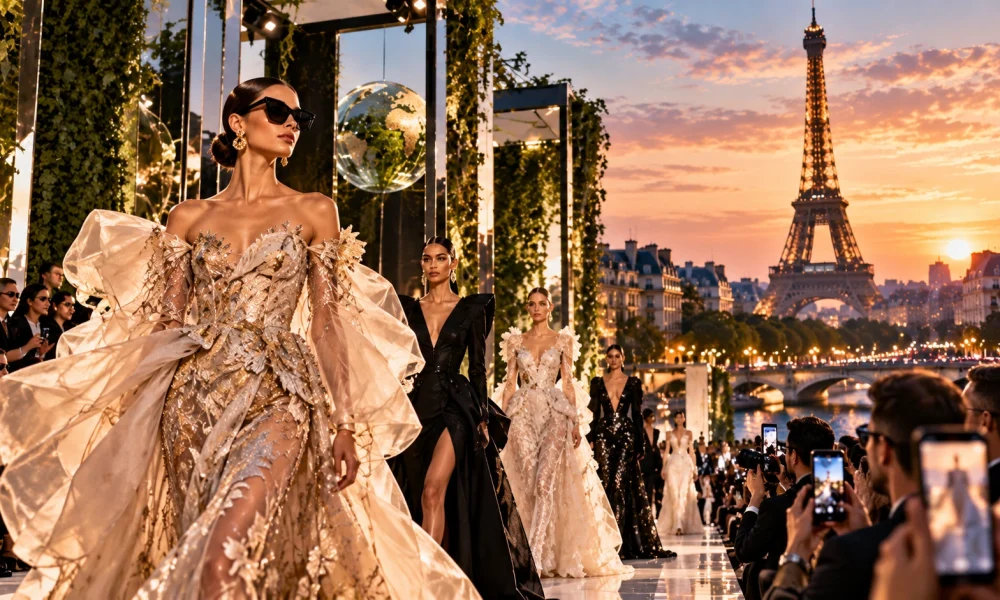
Paris Fashion Week is offering a revealing picture of the luxury industry’s current transition, with major fashion houses balancing heritage and craftsmanship against changing consumer expectations.
The Spring/Summer 2027 collections are arriving at a difficult moment for the luxury market, but the atmosphere in Paris remains highly active.
Hermès presented one of the weekend’s most closely watched collections, with creative director Nadège Vanhée focusing on airy fabrics, lightweight leather and relaxed silhouettes.
Luxury becomes lighter
The Hermès collection illustrates how traditional luxury houses are adapting without abandoning their core identity.
Instead of relying exclusively on highly formal silhouettes, designers are increasingly creating clothes that can fit into everyday wardrobes.
Light fabrics, comfortable shapes and versatile pieces are becoming more important as consumers look for products that combine craftsmanship with practicality.
The market remains under pressure
The change is taking place against a challenging economic background.
Luxury sales have remained relatively weak in several important markets, particularly as Chinese consumers have reduced spending and middle-class shoppers in Western countries have become more selective.
This has forced fashion houses to reconsider how they communicate value.
A prestigious logo alone may no longer be enough to justify a very high price.
Personal style is gaining importance
Consumers are also moving away from the idea that luxury requires a complete designer outfit.
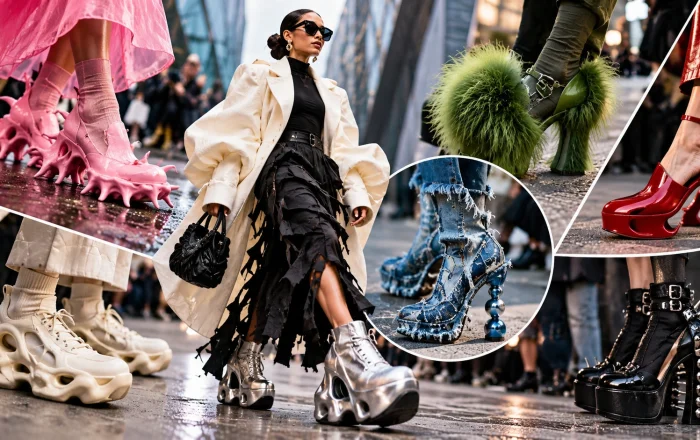
Vintage pieces, independent labels, second-hand fashion and high-street clothing are increasingly being mixed with expensive accessories and statement pieces.
Social media has accelerated this development by making individual styling more visible.
Instead of following a single brand’s aesthetic, consumers are building their own identities through combinations of different products.
Paris remains the centre of attention
Despite the industry’s difficulties, Paris Fashion Week continues to attract enormous international attention.
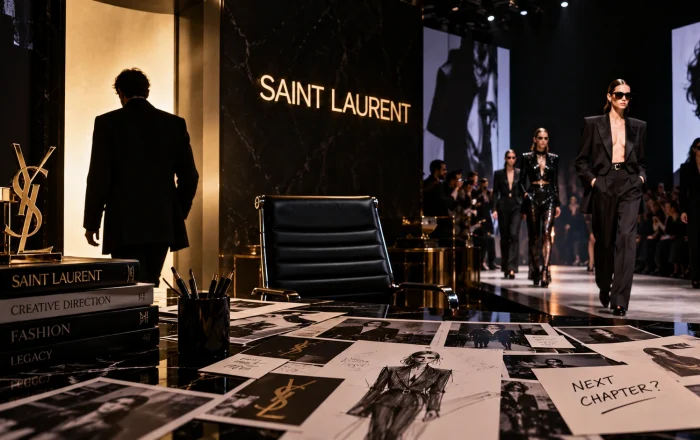
Saint Laurent, Chloé, Loewe, Balenciaga, Dior and other major houses are using their shows to define the visual direction of the coming season.
The collections demonstrate that luxury is not disappearing.
Instead, its definition is changing.
A new luxury consumer
The next generation of luxury consumers appears increasingly interested in design, quality, individuality and cultural relevance.
Brands that can combine those elements with strong heritage may be better positioned to maintain their influence in a market where consumers are becoming more selective.
Paris Fashion Week is therefore not simply presenting new clothes.
It is showing how the luxury industry is attempting to redefine desirability at a time when traditional status signals are becoming less powerful.