Ukraine Faces One of Its Largest Russian Air Attacks as Energy Infrastructure Comes Under Pressure
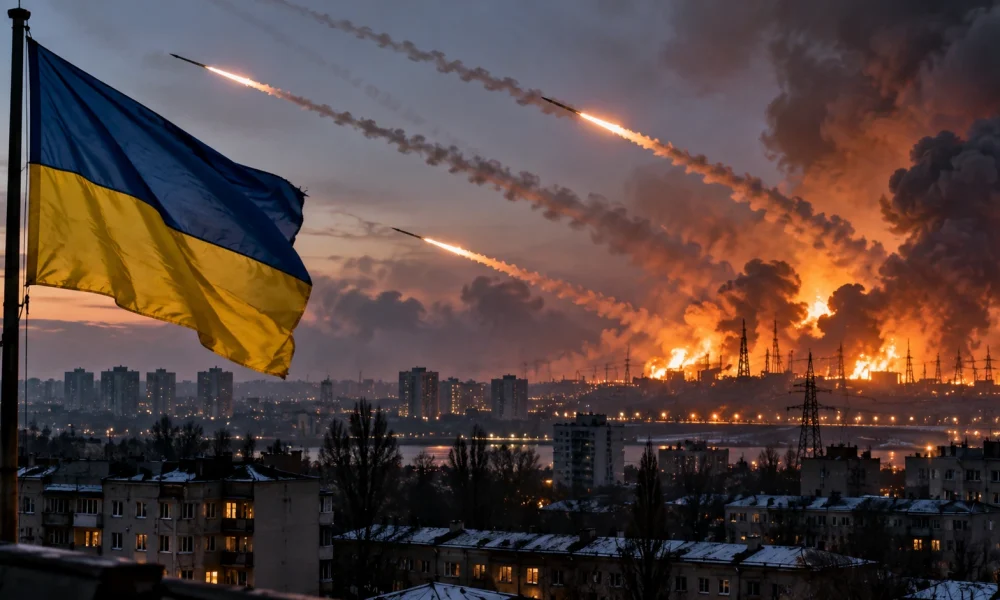
Ukraine faced another major Russian missile and drone attack on October 7, with President Volodymyr Zelenskiy saying Russia launched around 70 missiles alongside drones in one of its largest strikes of the war.
The attack targeted Ukrainian energy infrastructure and killed at least 11 people, according to Reuters. Other reports placed the death toll higher as rescue operations continued.
The strikes came on the third anniversary of the October 7, 2023 Hamas attack on Israel, placing two major international conflicts in the global news cycle at the same time.
Energy infrastructure remains a strategic target
Russia has repeatedly targeted Ukraine’s energy system during the war.
The objective is to disrupt electricity generation and distribution, particularly ahead of the winter season.
Energy infrastructure is especially important because Ukraine’s civilian population depends on reliable electricity for heating, communications and essential services.
Large attacks can therefore create consequences beyond the immediate physical damage.
The timing is significant
The latest attack comes as Ukraine prepares for another winter under wartime conditions.
Previous winters demonstrated how vulnerable the country’s energy system can become when infrastructure is damaged.
Ukrainian authorities have spent considerable resources repairing and protecting power facilities.
But repeated attacks continue to create pressure.
Russia says its targets are military
Moscow has repeatedly described its strikes as attacks on military or strategic infrastructure.
Ukraine says Russia is deliberately targeting civilian infrastructure and populated areas.
The competing claims form part of the wider information war surrounding the conflict.
Independent verification of every individual claim is difficult during active combat.
International support remains crucial
Ukraine continues to depend heavily on military, financial and political support from Western countries.
Air-defence systems are particularly important because they can reduce the impact of missile and drone attacks.
However, protecting an entire national energy network is extremely difficult.
Ukraine must therefore combine air defence, rapid repairs and decentralised energy systems.
The wider war remains unresolved
The conflict has now lasted several years without a comprehensive peace agreement.
Diplomatic efforts have continued at different points, but major disagreements remain.
Russia continues to demand territorial and security concessions that Ukraine rejects.
Ukraine continues to seek security guarantees and the restoration of its territorial integrity.
Energy markets feel the consequences
The war also affects the wider global economy.
Attacks on infrastructure and uncertainty about regional security can influence energy markets.
Europe remains particularly sensitive because of its geographic proximity to the conflict.
Higher energy prices can increase inflation and complicate monetary policy.
The humanitarian consequences remain severe
Behind the military statistics are millions of civilians living with uncertainty.
Power outages affect homes, hospitals, schools and businesses.
Repeated attacks also increase pressure on emergency services.
The psychological impact of prolonged war is equally significant.
Ukraine’s immediate priority is resilience
The Ukrainian government is therefore focused on protecting essential infrastructure and maintaining basic services.
The latest attack demonstrates how difficult that task remains.
For the international community, the developments underline the continuing importance of air-defence support, humanitarian assistance and diplomatic efforts.
The conflict remains one of the most important security issues in Europe.
The October 7 strikes show that, despite years of war and repeated diplomatic initiatives, Ukraine remains exposed to large-scale attacks and the winter energy challenge is becoming increasingly urgent.