The New Home Design Trend Is Less About Decoration and More About Creating Places That Feel Lived In
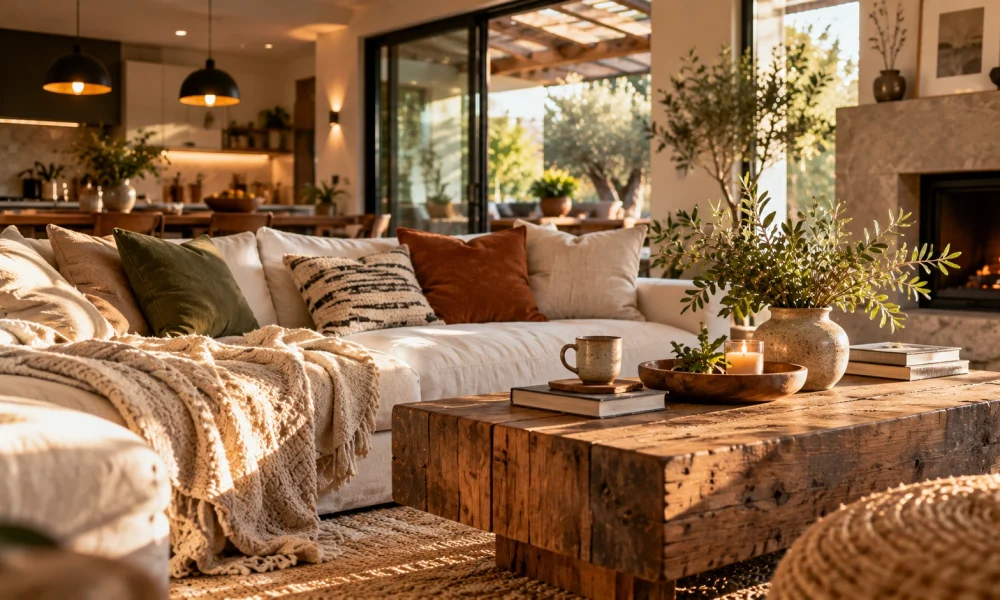
The latest developments in architecture and interiors suggest that the home design industry is moving further away from highly polished showroom aesthetics and toward spaces built around character, comfort and long-term use.
One of the most important design stories published on October 7 concerns the shortlist for the 2026 RIBA International Prize, which recognises buildings judged on architectural excellence as well as their contribution to the people and communities that use them. Four projects remain in contention for the award.
The shortlist provides an interesting indication of where contemporary architecture is heading.
The focus is not simply on spectacular buildings.
It is increasingly on how architecture interacts with everyday life.
Character is replacing perfection
Interior designers have increasingly moved away from the idea that every room needs to look perfectly coordinated.
Homeowners are mixing vintage furniture with contemporary pieces.
They are displaying objects collected during travel.
They are keeping family heirlooms.
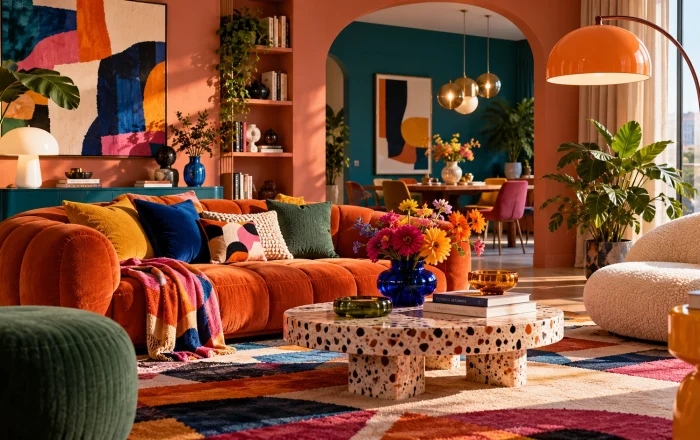
They are using colour and texture to make spaces feel individual.
This creates interiors that look less like professionally staged showrooms and more like real homes.
Architecture is becoming more human-centred
The RIBA shortlist reflects a similar philosophy.
Buildings are increasingly evaluated according to how they serve the people who use them.
A beautiful building that is uncomfortable, inefficient or disconnected from its surroundings may not be considered successful.
This approach is particularly important as cities face housing shortages, climate pressures and demographic changes.
Adaptive reuse is gaining importance
One of the most interesting architectural trends is the transformation of existing buildings.
Instead of demolishing old structures, architects are increasingly finding ways to reuse them.
The approach can preserve cultural heritage while reducing the environmental impact of construction.
It can also create unusual spaces.
A former industrial building can become housing.
A historic institution can become a museum.
An old commercial property can become a mixed-use development.
Sustainability is moving beyond technology
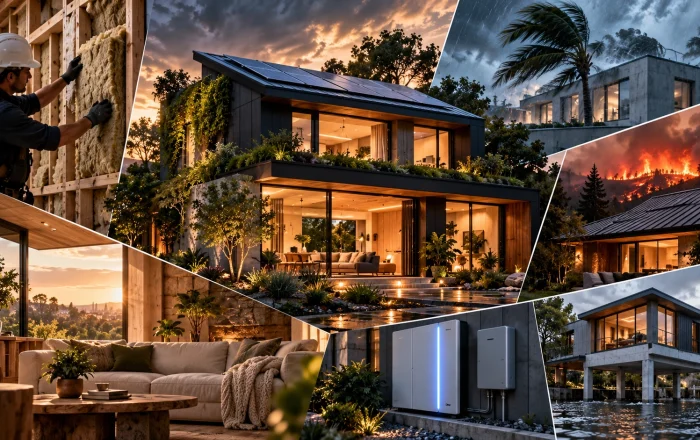
Sustainable architecture is often associated with solar panels and energy-efficient systems.
Those technologies remain important.
But sustainability also means making buildings that last.
A building that remains useful for generations may have a smaller environmental impact than one that requires major reconstruction after a few decades.
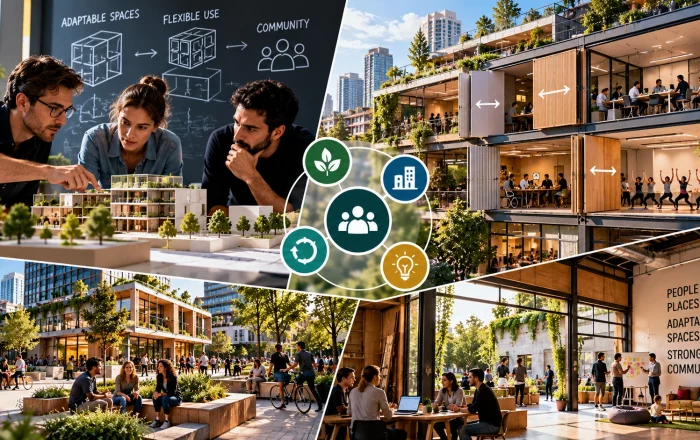
Adaptability is therefore becoming a key design principle.
The home is becoming more flexible
Residential design is responding to the same idea.
People increasingly work from home, exercise at home and spend more leisure time indoors.
A successful home therefore needs to perform several functions.
Furniture can become multifunctional.
Rooms can be redesigned for different activities.
Storage can be integrated into walls and furniture.
Natural materials remain strong
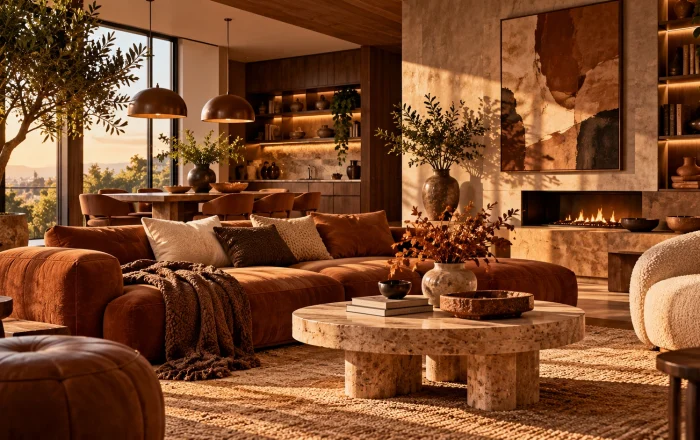
Wood, stone, linen and other natural materials continue to be popular.
They provide texture and help create warmer interiors.
This complements the renewed interest in brown and earthy colours that has been visible across the design industry.
The result is a softer aesthetic.
The return of individuality
The broader direction is clear.
Consumers are becoming less interested in homes that simply demonstrate that they follow the latest trend.
They want spaces that reflect who they are.
That does not mean trends have disappeared.
Instead, trends are becoming tools rather than rules.
A homeowner can use a current colour or furniture style while still keeping older objects that have personal meaning.
Design is becoming more sustainable and personal
The combination of individuality and sustainability could define the next phase of home design.
People are becoming more reluctant to replace entire interiors every few years.
They are increasingly willing to invest in quality pieces that can remain in the home for a long time.
That changes the role of designers.
The goal is no longer simply to create something that photographs beautifully.
It is to create something that works beautifully over time.