Hormel Bets More Than $1 Billion on Chicken as Protein Demand Reshapes the Food Industry
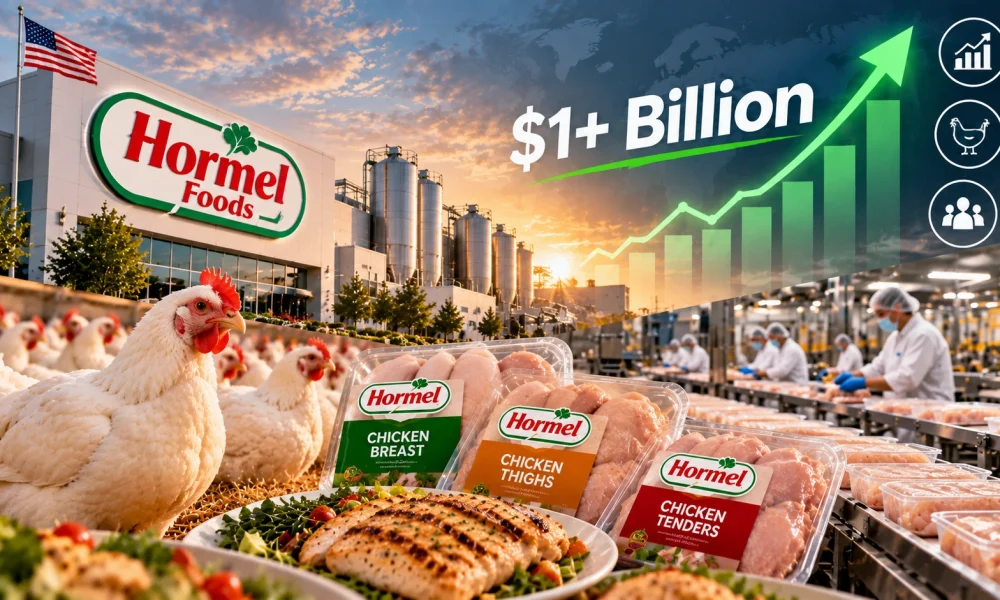
Hormel Foods is expanding its presence in the global protein market through a proposed $1.06 billion acquisition of Brakebush Brothers, a move that highlights the growing importance of chicken and foodservice in the packaged food industry.
The US food company, known for brands including Spam and Skippy, announced that it will acquire the family-owned chicken processor as part of a broader strategy to concentrate investment on categories with stronger growth potential.
Brakebush generated approximately $1.2 billion in sales during the past 12 months and supplies fully cooked, par-fried and portioned chicken products to foodservice customers.
Chicken becomes a larger part of Hormel’s portfolio
The acquisition will significantly increase the role of chicken within Hormel’s protein portfolio.
The company has described value-added chicken as an attractive growth category, supported by demand for convenient and protein-rich meals.
That trend is visible across the food industry.
Consumers are increasingly looking for products that combine convenience with nutritional value, while restaurants and foodservice operators are searching for ingredients that can be prepared quickly and incorporated into different types of menus.
Foodservice is becoming increasingly important
Brakebush’s business is particularly attractive because of its strong position in foodservice.
Hormel reported $3.94 billion in foodservice sales in fiscal 2025, representing roughly one-third of its total revenue.
The Brakebush acquisition would give Hormel a larger direct-sales infrastructure and stronger relationships with restaurant operators.
The company expects the combination to expand access to customers while creating opportunities for new products and menu concepts.
Consumers are changing how they buy protein
The transaction also reflects broader changes in consumer behaviour.
Chicken has become one of the most versatile sources of protein in the global food market. It can be used across fast food, casual dining, ready meals, sandwiches, salads and convenience products.
Its relatively broad consumer appeal also allows food companies to develop products across multiple price categories.
For manufacturers, this makes value-added chicken particularly attractive because it can generate more value than selling raw meat alone.
Hormel is reshaping its portfolio
The Brakebush deal is part of a wider restructuring at Hormel.
The company has been reviewing its portfolio and moving away from operations it considers less strategically important.
Hormel has recently sold a controlling stake in Justin’s and exited certain turkey and Brazilian operations.
The proposed acquisition therefore represents more than simple expansion. It is part of an effort to redirect capital toward businesses that management believes offer stronger long-term opportunities.
The wider food industry is following the same logic
Large food companies are increasingly using acquisitions to respond to changing consumer demand.
Rather than relying exclusively on organic growth, manufacturers are buying businesses that already have strong positions in categories such as protein, functional foods, snacks and beverages.
The strategy can accelerate expansion, but it also creates integration challenges.
Hormel has said Brakebush will continue to operate as a subsidiary and report within the company’s foodservice segment.
A changing protein market
The acquisition comes at a time when the food industry is reassessing the role of protein in everyday diets.
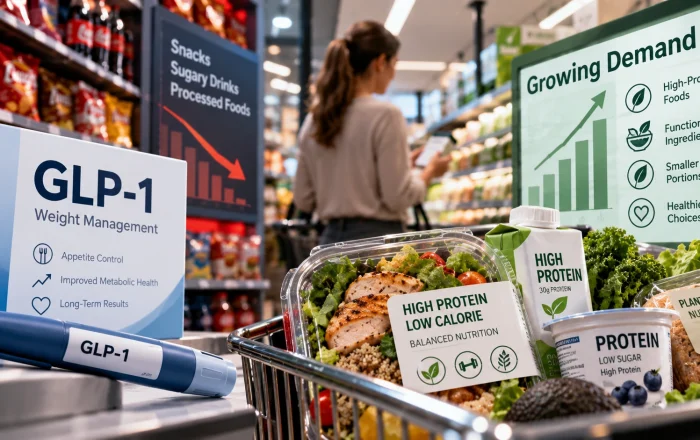
High-protein products have moved beyond specialist nutrition categories and into mainstream food and beverage, from breakfast products to snacks and restaurant menus.
Hormel’s investment in Brakebush suggests that major food manufacturers see this shift as more than a short-term trend.
If the transaction closes as planned during Hormel’s fiscal first quarter ending in January 2027, the company will gain a substantially larger position in value-added chicken and foodservice.
For the wider industry, the deal is another indication that convenience, protein and foodservice are becoming increasingly important areas of competition.