Zelenskyy Meets US Envoys in Norway as Russian Strikes Kill Civilians and Ukraine Seeks Urgent Military Support
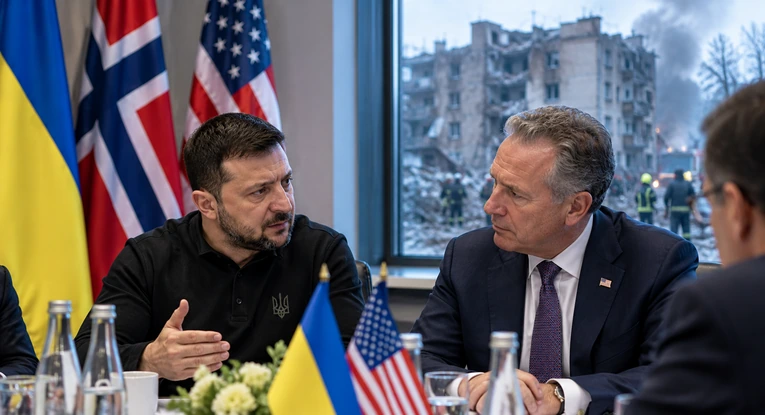
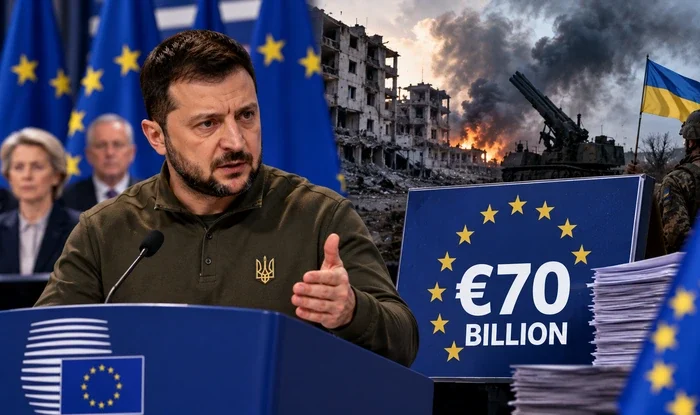
Ukrainian President Volodymyr Zelenskyy travelled to Norway on Tuesday for high-level talks with US and European officials, seeking stronger military support and a renewed diplomatic effort to end Russia’s war against Ukraine. The meetings took place as Russian missile and drone attacks killed at least nine people across Ukraine, according to the Associated Press, and damaged infrastructure in several regions.
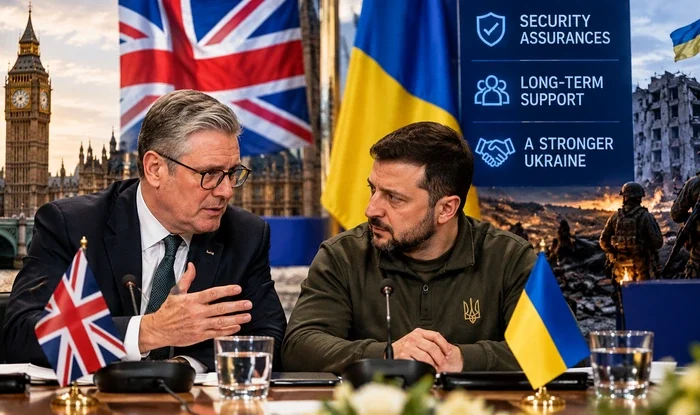
The Oslo discussions brought together Zelenskyy, US special envoy Steve Witkoff, Norwegian Prime Minister Jonas Gahr Støre and Finnish President Alexander Stubb. Jared Kushner, another member of the US negotiating team, was expected to participate remotely because of illness, according to the Norwegian government.
The talks come at a sensitive moment for relations between Kyiv and Washington. Disagreements over military assistance, intelligence sharing and the direction of peace negotiations have raised concerns in Ukraine and across Europe about the future of American support.
Renewed diplomatic efforts amid mounting pressure
Norway and Finland are hosting the discussions as part of a broader effort to move negotiations towards a more constructive path. The Norwegian government said Zelenskyy had requested the meeting with the American envoys, reflecting Kyiv’s desire to maintain direct communication with Washington despite growing political tensions.
Zelenskyy said the discussions would address strengthening Ukraine’s air defences and expanding joint weapons production. These priorities have become increasingly urgent as Russia continues to launch attacks against Ukrainian cities, energy infrastructure and logistics facilities.
US President Donald Trump has recently criticised Zelenskyy and suggested that another person should negotiate on Ukraine’s behalf. His remarks have intensified concerns about whether Washington’s approach to the conflict is shifting in ways that could place additional pressure on Kyiv.
For Ukraine, maintaining US involvement remains important not only because of military equipment but also because of American intelligence capabilities and access to advanced defence systems. European countries have expanded their support, but some critical military capabilities remain difficult to replace quickly.
Russian attacks leave casualties and disrupt electricity supplies
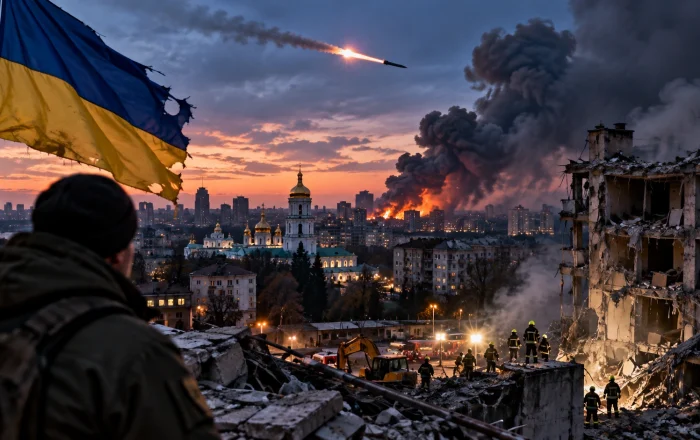
The diplomatic meetings coincided with another wave of Russian attacks across Ukraine. The Associated Press reported that at least nine people were killed, with additional casualties reported in the Kyiv region and the central city of Dnipro.
The attacks also caused electricity disruptions in 12 regions, according to Ukrainian officials and the national grid operator. Damage to energy infrastructure presents a continuing challenge for a country already dealing with the cumulative effects of years of war.
Russian forces have repeatedly used missiles and drones against infrastructure and urban areas. Moscow says its military operations target military and logistics facilities, while Ukrainian authorities report civilian deaths and damage to homes, warehouses and essential services.
The latest strikes underline the difficulty of conducting peace negotiations while military operations continue. They also reinforce Ukraine’s argument that any diplomatic process must be accompanied by sufficient defensive capabilities to protect its population and infrastructure.
Air defence remains a central priority
One of Zelenskyy’s key objectives is to secure additional air-defence support, particularly Patriot interceptor missiles capable of countering certain ballistic and other advanced missile threats.
Ukraine has repeatedly warned that shortages of interceptors limit its ability to defend cities and critical facilities against sustained attacks. Deliveries have also become a source of tension, with Kyiv expressing concern about delays affecting equipment needed for its defence.
US Secretary of State Marco Rubio has discussed Ukraine’s military requirements with Zelenskyy, including interceptors and early warning systems. Ukrainian officials have also raised concerns about access to satellite communications used in military operations.
Washington has not accepted all of Kyiv’s characterisation of recent changes to intelligence and military support. The disagreements nevertheless illustrate how operational decisions can become intertwined with wider political negotiations.
For European governments, the challenge is to help Ukraine maintain its defences while avoiding a breakdown in transatlantic cooperation. Additional European funding and weapons purchases can ease some pressure, but replacing American intelligence and certain advanced systems would be difficult.
Europe faces a larger role in Ukraine’s security
European leaders have increasingly emphasised that Ukraine’s future is closely connected to the security of the continent. Norway and Finland’s involvement in the Oslo meetings reflects a broader effort by European governments to keep diplomatic channels open and ensure that Kyiv remains involved in decisions affecting its future.
The discussions also take place amid disagreements over possible terms for ending the war, including concerns that Ukraine could face pressure to surrender territory. Kyiv has maintained that any settlement must address its security and sovereignty, while Russia’s objectives remain a major obstacle to a lasting agreement.
European assistance has become particularly important as uncertainty surrounds the scale and timing of future US support. However, European governments face their own budgetary, industrial and political constraints, meaning that increasing assistance requires coordination and sustained commitments.
What the Oslo talks could mean
The meetings are not, by themselves, evidence that a peace agreement is close. Their immediate significance lies in keeping communication between Ukraine, the United States and European partners active at a time of heightened tension.
For Zelenskyy, the priorities are clear: secure the military capabilities needed to defend Ukraine, maintain international backing and ensure that negotiations do not exclude Kyiv from decisions about its territory and future security.
For Washington, the challenge is to reconcile its diplomatic objectives with disagreements over military assistance and the terms of a possible settlement. European leaders, meanwhile, must determine how much additional responsibility they can assume if American support becomes less predictable.
The outcome will depend on whether the participants can translate diplomatic contacts into concrete commitments on air defence, intelligence cooperation and the framework for future negotiations. As Russian attacks continue, the consequences of those decisions will be measured not only in diplomatic progress but also in Ukraine’s ability to protect its population and critical infrastructure.