The Next Home Design Shift Is About Resilience, Not Just Appearance
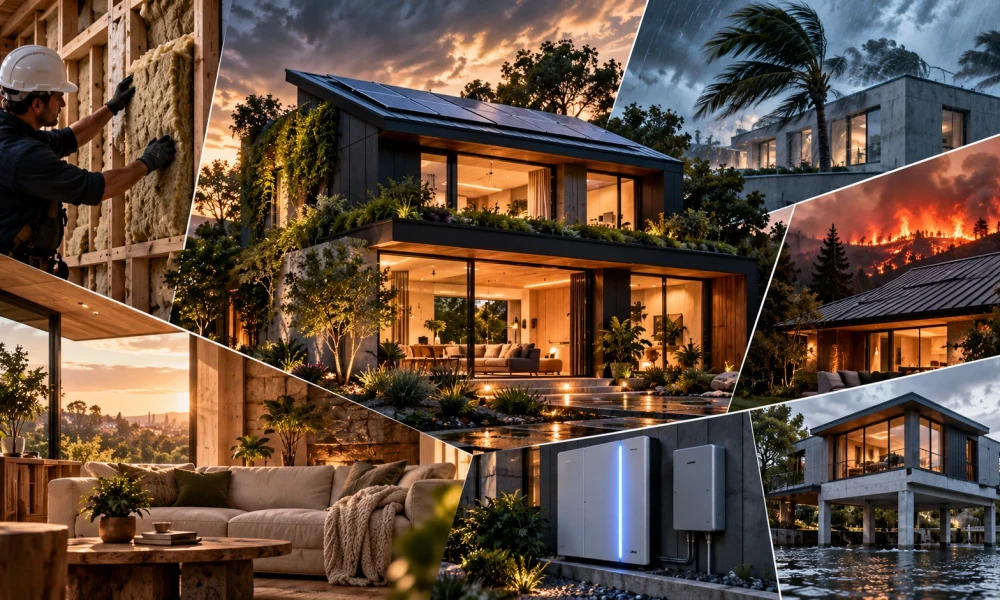
Home design is increasingly being shaped by practical concerns: energy costs, climate resilience, changing family needs and the desire to make existing properties more useful.
The trend is moving beyond decorative updates toward homes that can adapt to changing conditions without requiring constant renovation.
Energy efficiency is becoming a design priority
Households are paying closer attention to the running costs of their homes.
Insulation, efficient heating, shading and ventilation can influence both comfort and energy bills.
These features may be less visible than a new kitchen or designer furniture, but they can have a more lasting impact on how a home performs.
For homeowners planning renovations, the question is increasingly whether an improvement will reduce costs over time, not simply whether it looks attractive.
Reuse is gaining ground
Renovating an existing property can also reduce the need for new materials.
Repairing floors, restoring furniture and adapting existing layouts can be more economical than replacing everything.
The approach reflects a broader movement toward circular design, in which products and materials are kept in use for longer.
It does not mean every old building can be upgraded easily. Some properties require substantial work to meet modern energy and safety standards. But careful renovation can preserve character while improving performance.
Flexible rooms are more valuable
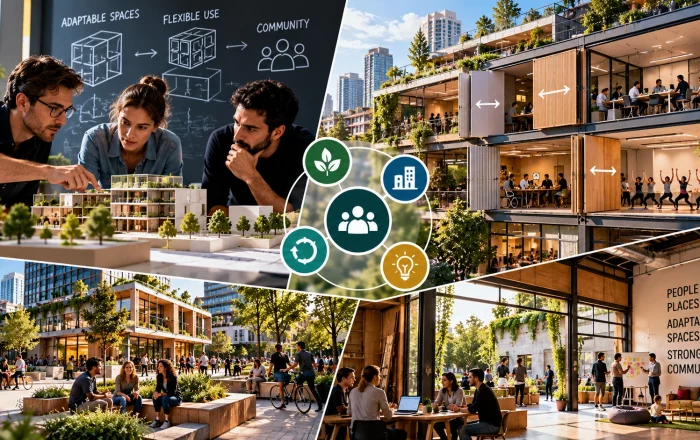
Homes increasingly need to support several activities.
A spare room might serve as a workspace during the week and a guest room at weekends. Living areas may need to accommodate children, older relatives or changing household arrangements.
Flexible furniture, effective storage and adaptable lighting can help a home respond to those needs without a major structural project.
Climate resilience matters
Extreme heat, heavy rainfall and other weather risks are influencing how homeowners think about property improvements.
Shading, drainage, ventilation and durable materials can help protect a home and make it more comfortable.
The appropriate solutions depend on local conditions. A property exposed to flooding requires different measures from one that faces prolonged summer heat.
Personal style remains important
Practical design does not mean abandoning personality.
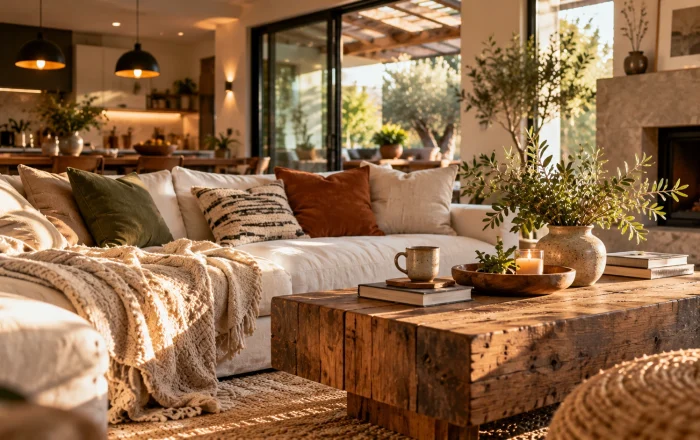
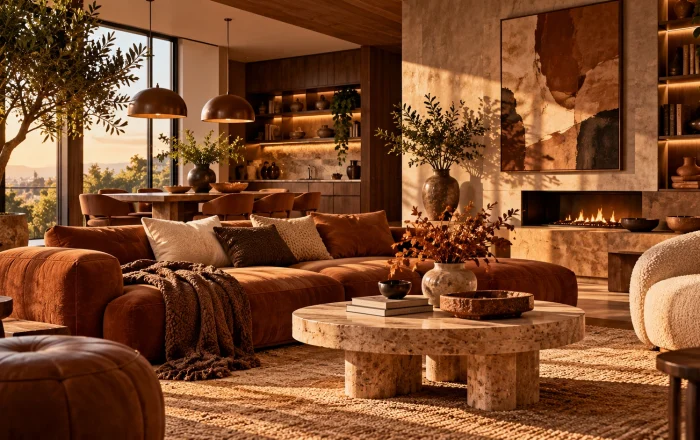
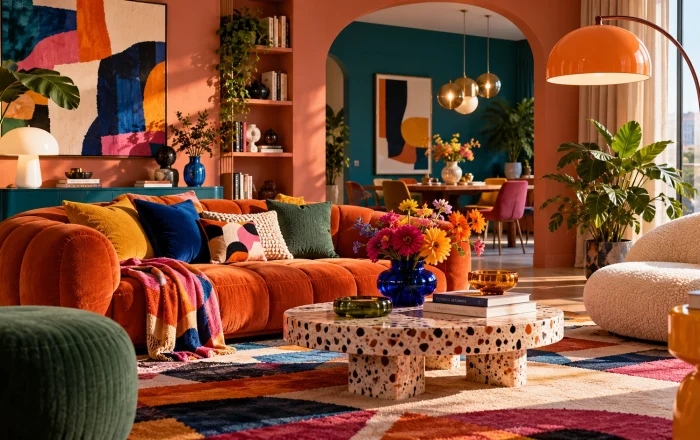
Warm colours, natural textures, vintage furniture and meaningful objects can make spaces feel distinctive without requiring expensive replacements.
The most durable interiors often combine a functional layout with elements that reflect the people who live there.
The economics of renovation
With housing and financing costs remaining high in many markets, some households may choose to improve their current property rather than move.
That can support demand for smaller renovation projects, repair services and energy upgrades.
However, homeowners still need to compare upfront costs with expected savings. Not every improvement will pay for itself quickly, and professional advice may be necessary for structural or energy-related work.
A more thoughtful approach to the home
The next phase of home design is likely to combine comfort, efficiency and adaptability.
A well-designed home should look good, but it should also work well in everyday life, remain affordable to maintain and respond to changing needs.
For consumers, that means focusing less on replacing everything at once and more on improvements that offer lasting value.