Online Retail Moves Deeper Into AI as Amazon Bets Heavily on India’s Fast-Commerce Market
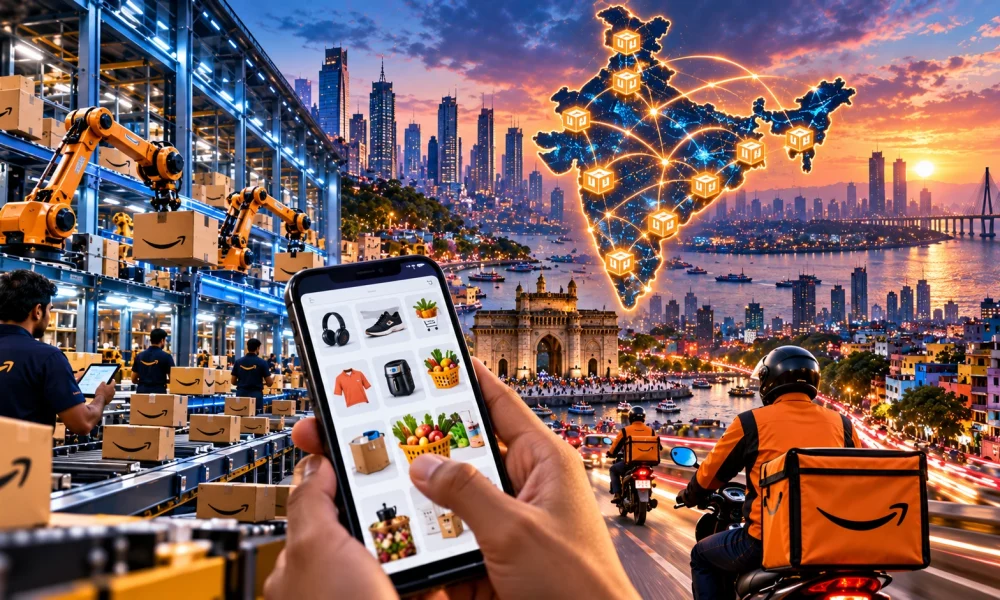
Global e-commerce is entering a new phase in which artificial intelligence, rapid delivery and local infrastructure are becoming increasingly important to competition between major platforms.
Amazon is preparing a major expansion of its quick-commerce operations in India, with the company reportedly planning to invest around $3 billion by 2030. Reuters described it as Amazon’s largest investment in India’s rapidly expanding fast-delivery market.
India becomes a key battleground
India has become one of the world’s most competitive markets for rapid online delivery.
Consumers in major cities increasingly expect groceries, household products and everyday items to arrive within a very short period.
That has created fierce competition between established e-commerce companies and specialised quick-commerce platforms.
Amazon’s investment reflects the importance of having warehouses and delivery infrastructure close to customers rather than relying exclusively on traditional e-commerce logistics.
AI is changing online shopping
Artificial intelligence is also becoming increasingly important.
Retailers are experimenting with systems that can recommend products, adjust prices and automate parts of the customer journey.
McDonald’s, for example, is increasingly using AI to help guide menu pricing in the United States and some international markets.
Similar technologies are being explored across online retail, where pricing can be adjusted according to demand, inventory and local market conditions.
Regulation is another challenge
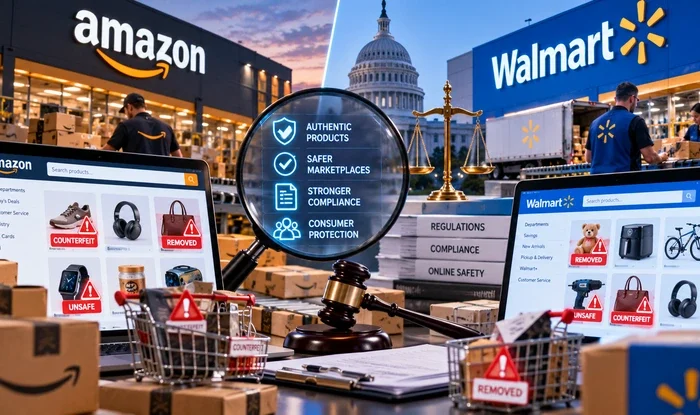
At the same time, online marketplaces are facing increasing pressure to improve product safety and compliance.
Amazon and Walmart-owned Flipkart have begun reviewing listings for unlicensed security cameras in India after concerns were raised about products being sold through their platforms.
The move illustrates how large platforms are becoming increasingly responsible for what third-party sellers offer to consumers.
The next stage of e-commerce
The future of online retail is therefore being shaped by several technologies at once.
AI can improve recommendations and pricing, while fast-commerce networks can reduce delivery times.
Companies that combine the two could gain a significant advantage, but the cost of building these systems remains substantial.
The e-commerce battle is no longer simply about having the largest website. It is increasingly about controlling the infrastructure behind the customer experience.