Amazon Opens Prime Big Deal Days as Autumn Shopping Season Moves Earlier
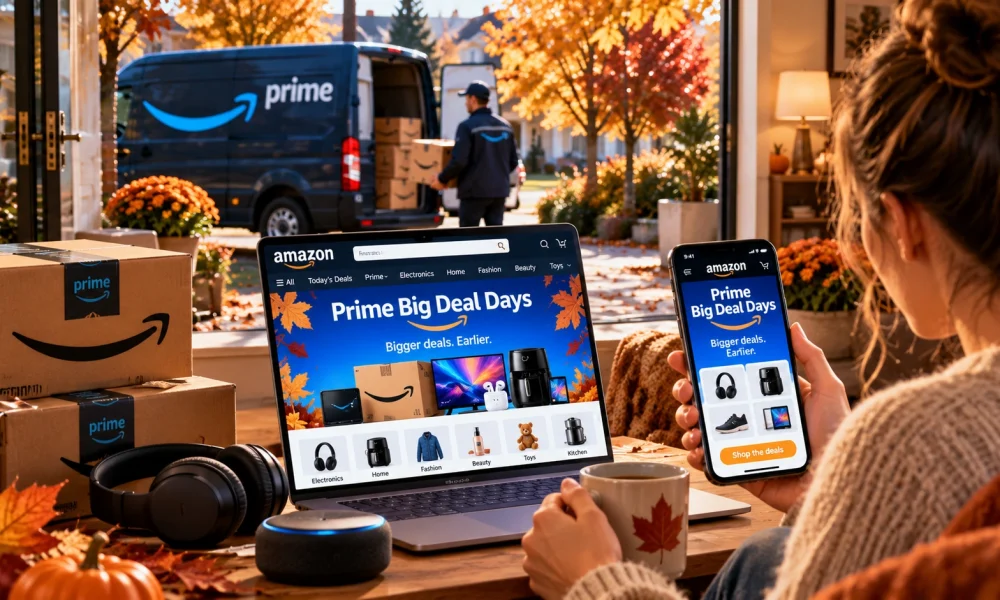
Amazon has launched its 2026 Prime Big Deal Days event, beginning a two-day sales period that is increasingly important to the global e-commerce calendar.
The event runs October 6 and 7 and offers discounts across categories including technology, fashion, home products and other consumer goods. Amazon says some deals will reach 50% for Prime members.
The significance of the event goes beyond the individual discounts.
Amazon’s autumn promotion reflects a broader transformation in online retail, where the traditional holiday shopping season is beginning earlier and consumers are being encouraged to make major purchases before November and December.
Holiday shopping starts earlier
For many years, Black Friday was the defining moment of the holiday shopping season.
That pattern has gradually changed.
Retailers now launch promotional campaigns weeks or even months before Black Friday.
Amazon’s October event has become one of the most visible examples.
The strategy encourages consumers to bring forward purchases that might otherwise have been made later in the year.
For retailers, earlier demand can provide several advantages.
Companies can distribute logistics pressure across a longer period and reduce the risk of warehouses and delivery networks becoming overwhelmed during the final weeks of the year.
Consumers are increasingly price-sensitive
The timing also reflects the economic environment.
Consumers remain interested in discounts because household budgets are under pressure in many major markets.
Promotional events give shoppers a reason to make purchases while prices are temporarily reduced.
However, the constant availability of sales has also changed consumer psychology.
Customers increasingly wait for major promotional periods before buying products that are not essential.
This makes discount events important for retailers but also creates pressure on normal pricing.
Amazon’s scale remains a major advantage
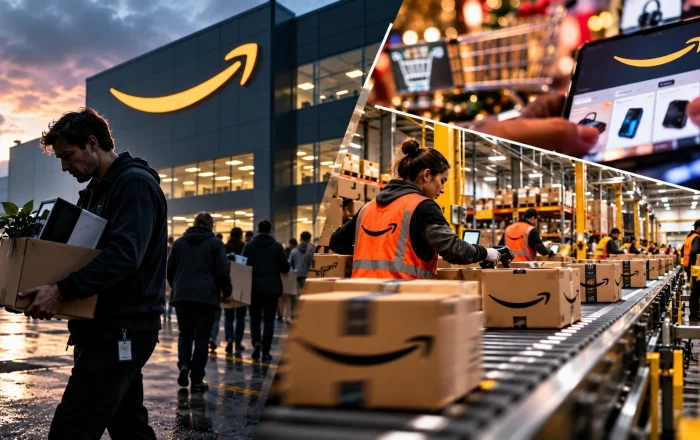
Amazon can use its enormous logistics network to support large shopping events.
Warehouses, fulfilment centres and delivery infrastructure allow the company to process large volumes of orders quickly.
Its Prime membership programme also provides a built-in customer base.
Prime Big Deal Days therefore serves several purposes at once.
It drives sales, encourages Prime membership, increases engagement with Amazon’s platform and creates additional opportunities to sell advertising and related services to brands.
Other retailers have to respond
Amazon’s promotional events have influenced the entire retail industry.
Competitors increasingly launch their own campaigns at the same time.
This creates a broader period of online discounting rather than a single retailer-specific event.
Consumers benefit from greater choice, but retailers face increased pressure to match prices.
The result is an increasingly competitive e-commerce environment in which the difference between platforms is often determined by delivery speed, product availability, loyalty programmes and perceived value.
Artificial intelligence is changing shopping too
The promotion arrives as online retail is also undergoing a technological transformation.
AI shopping assistants are beginning to change how consumers search for products.
Instead of visiting several websites, consumers can increasingly ask AI systems to compare products, explain differences and identify suitable options.
That development could eventually challenge the traditional importance of the online search box.
Amazon is investing heavily in AI itself, including systems designed to help customers discover products and sellers manage their businesses.
The October sales event has a strategic role
Prime Big Deal Days is therefore more than a short-term promotional campaign.
It is part of Amazon’s attempt to influence when consumers shop and how they interact with its ecosystem.
By bringing holiday shopping forward, Amazon can capture demand before competitors’ major campaigns begin.
For consumers, the event offers discounts.
For the industry, it demonstrates how the global retail calendar is changing.
The holiday shopping season is no longer concentrated in a few weeks at the end of the year.
It is becoming a long cycle of promotions that begins in early autumn and increasingly extends through the end of December.