Kenya Confirms First Ebola Case as Cross-Border Outbreak Raises New Public Health Concerns
Kenya has confirmed its first Ebola case after a Kenyan citizen who had travelled from the Democratic Republic of Congo died in Nairobi.
The confirmation, reported by Reuters on October 6, raises concerns about the potential cross-border spread of the Ebola outbreak currently affecting the region.
The case comes at a particularly sensitive moment for regional health authorities.
The Democratic Republic of Congo has been dealing with a significant Ebola outbreak, while international health organisations have been monitoring the possibility of cases appearing in neighbouring countries.
Cross-border movement creates additional challenges
Ebola outbreaks are difficult to control because infected people can travel before symptoms become obvious.
The disease can begin with symptoms that resemble other infections, making early identification difficult.
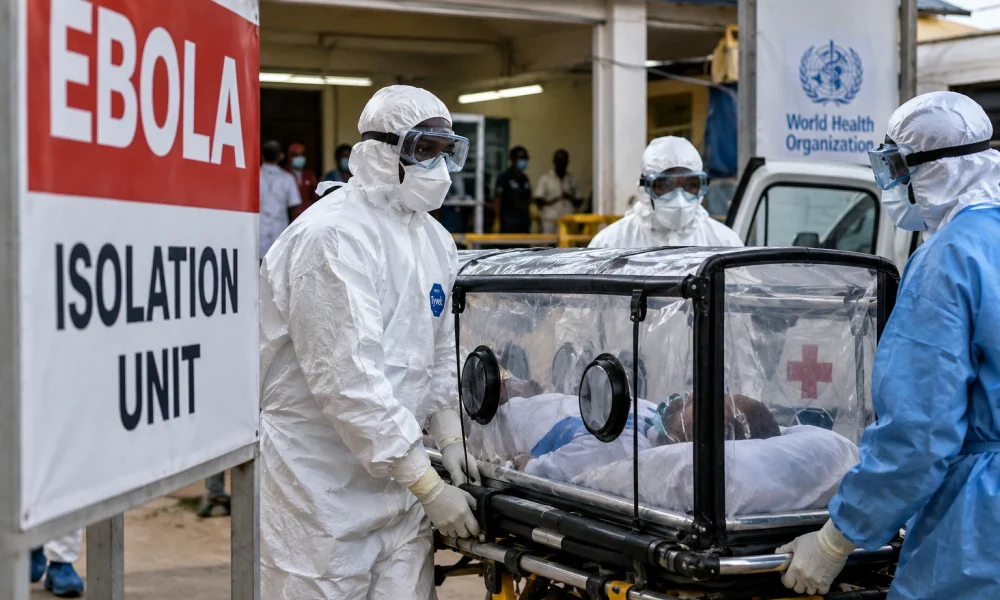
Once a suspected case is identified, health authorities must rapidly trace contacts, isolate patients and monitor people who may have been exposed.
Kenya’s geographical and transport connections with the DRC therefore make surveillance particularly important.
Ebola remains a serious disease
Ebola is caused by viruses in the filovirus family and can produce severe illness.
Symptoms can include fever, weakness, muscle pain, vomiting and diarrhoea, followed in some cases by severe bleeding.
Transmission occurs primarily through direct contact with infected bodily fluids.
That means healthcare workers and family members caring for patients can face particularly high risks if appropriate protective measures are not used.
The response depends on speed
The effectiveness of an Ebola response depends heavily on how quickly health authorities identify cases.
Contact tracing is essential.
If a person has been in contact with an infected patient, health officials can monitor them for symptoms and isolate them if necessary.
This prevents chains of transmission from expanding unnoticed.
Kenyan authorities will therefore be expected to investigate the patient’s movements and identify people who may have been exposed.
International cooperation remains essential
Ebola outbreaks rarely respect national borders.
The response therefore requires cooperation between governments, hospitals and international organisations.
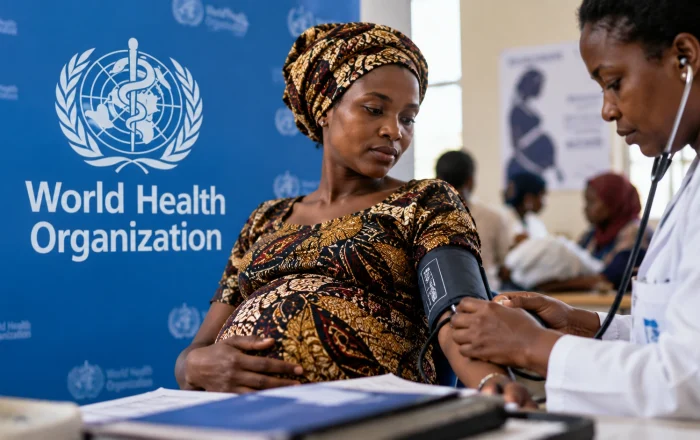
The World Health Organization continues to maintain surveillance and emergency response systems for outbreaks of high-consequence infectious diseases.
Kenya’s health authorities will also have to work closely with neighbouring countries.
The wider DRC outbreak is important
The new Kenyan case cannot be considered separately from the outbreak in the Democratic Republic of Congo.
The DRC has extensive experience dealing with Ebola.
The country has faced multiple outbreaks over the past decades and has developed specialised response teams.
However, the scale and location of an outbreak can make containment extremely difficult.
Conflict, population movement and limited healthcare access can all complicate disease control.
Vaccination and treatment have changed the response
The modern Ebola response is different from the approach used during earlier outbreaks.
Vaccines can provide important protection, while experimental and approved treatments have improved the prospects for patients who receive medical care quickly.
That does not eliminate the danger.
Early diagnosis and access to appropriate healthcare remain essential.
Kenya now faces a critical test
The first confirmed case will test Kenya’s ability to prevent secondary transmission.
The country’s health system has experience responding to infectious diseases, but Ebola requires specialised procedures.
Authorities will need to move quickly while maintaining clear communication with the public.
The most important objective is to prevent fear from spreading faster than the disease itself.
For now, the Kenyan case represents a serious regional health development rather than proof of a widespread outbreak inside the country.
The coming days will be crucial in determining whether the case remains isolated or leads to additional infections.