Brands Turn to Storytelling and AI as Advertising Becomes More Competitive

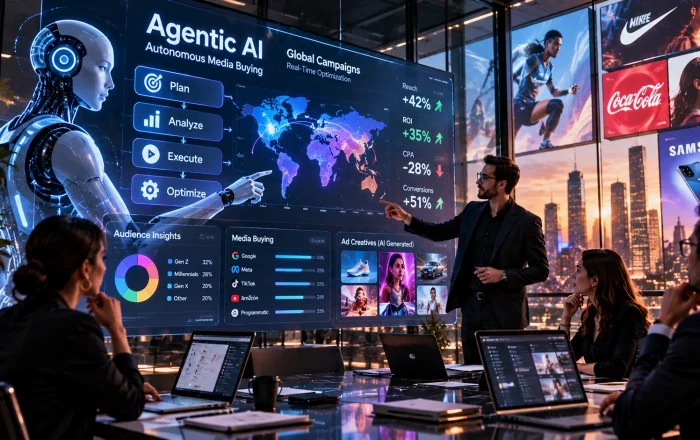
Global marketers are entering a period in which artificial intelligence is increasing the speed of content production while audiences are becoming harder to capture.
Brands can now create thousands of advertisements, social posts and visual variations quickly.
The challenge is increasingly deciding which messages are actually worth publishing.
AI changes campaign production
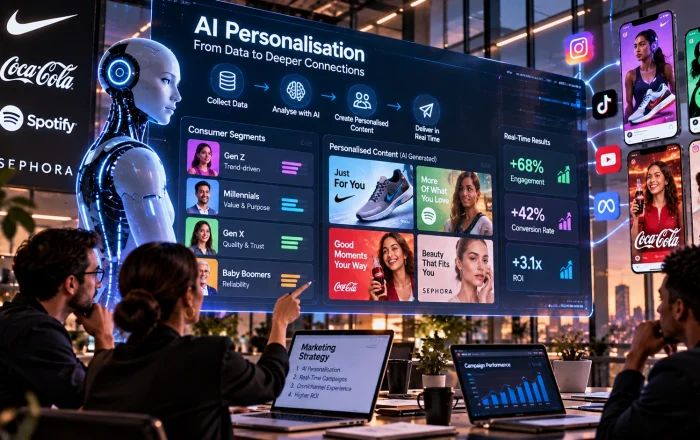
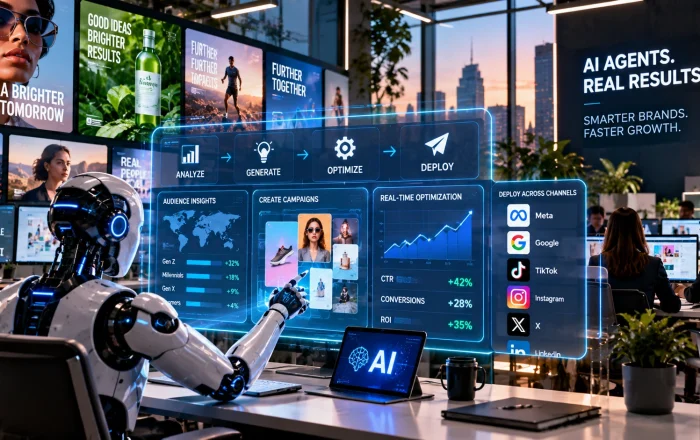
Generative AI has dramatically reduced the time required to produce advertising content.
Companies can create multiple versions of an advertisement and adapt them for different audiences.
This allows marketers to test more ideas than traditional production budgets would normally permit.
But greater volume does not automatically create better marketing.
Authenticity becomes more valuable
As AI-generated content becomes common, audiences may increasingly value campaigns that feel distinctive and human.
That is encouraging brands to invest more heavily in storytelling.
The goal is to create advertising that communicates a clear identity rather than simply promoting a product.
Mastercard experiments with entertainment
One recent example comes from Mastercard, which has created a K-drama-inspired campaign around payment security.
The campaign uses the storytelling conventions of Korean dramas to communicate a financial-security message.
The approach demonstrates how brands are increasingly borrowing formats from entertainment rather than relying exclusively on conventional advertising.
Culture becomes part of marketing
Modern consumers often encounter brands through music, entertainment, influencers and social media rather than traditional advertisements.
That means marketers need to understand cultural trends as well as consumer behaviour.
Brands that participate naturally in culture can generate more attention than companies that simply purchase advertising space.
The new marketing challenge
The marketing industry is therefore facing an unusual combination.
Technology is making production easier, while competition for consumer attention is becoming harder.
That makes strategy increasingly important.
The strongest campaigns are unlikely to be those that simply produce the most content.
They will be the ones capable of combining technology with a clear idea and a genuine understanding of the audience.