Brands Rethink Digital Marketing as First-Party Data Becomes More Valuable

Digital marketing is entering another major transition as brands face tighter privacy rules, fragmented advertising platforms and growing pressure to make better use of the customer data they already control.
At the centre of the change is first-party data.
Instead of relying primarily on information collected through third-party advertising systems, companies are increasingly trying to build direct relationships with their customers.
The data advantage is changing
Marketers have spent years focusing on collecting as much customer data as possible.
The new challenge is different.
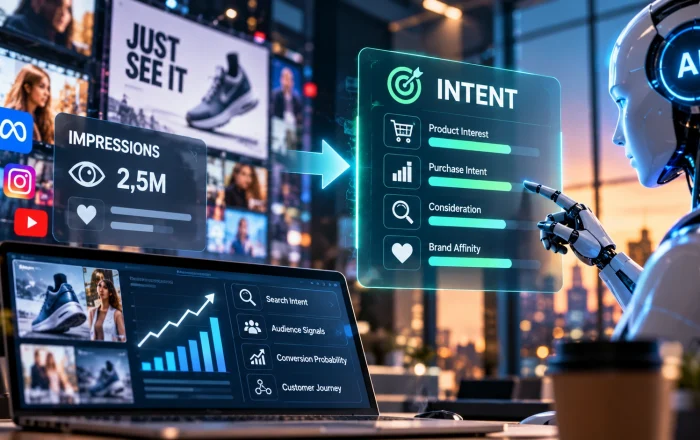
Companies now need to connect the information they already have and turn it into useful insights.
Speakers at the recent Real Time Programmatic Conference in India described the next phase of the industry as a shift from simply acquiring and storing data toward making it operational across different systems.
Privacy is changing advertising
The pressure is also coming from technology companies.
Apple is preparing changes to its advertising and privacy ecosystem that could affect hundreds of companies involved in programmatic advertising, data management and identity technologies.
For marketers, changes of this kind can make it harder to track consumers across websites and applications.
That means brands need stronger direct relationships with customers.
AI changes creative work
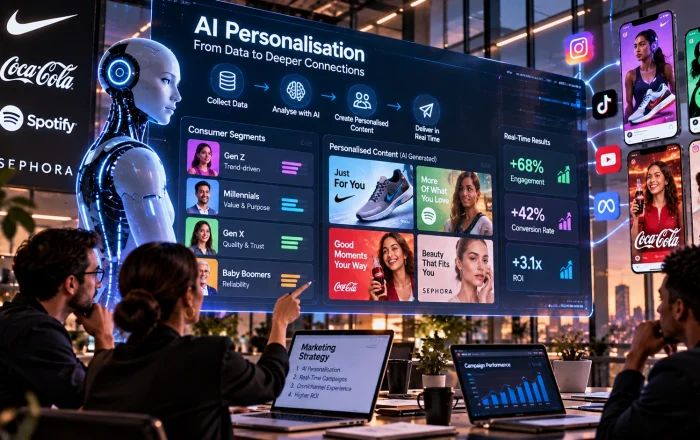
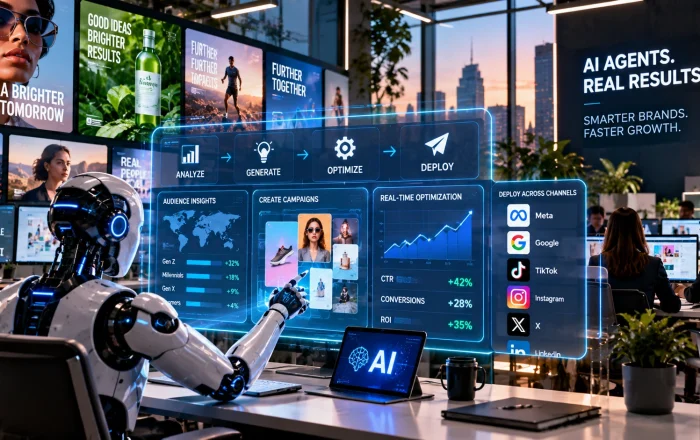
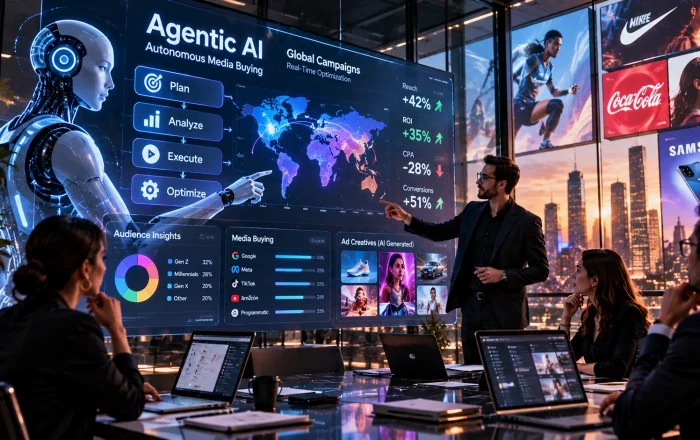
Artificial intelligence is also transforming marketing.
Generative AI can produce advertisements, social media content, product descriptions and variations of campaigns at a much faster pace than traditional creative teams.
However, speed is creating a new problem.
When every company can produce large amounts of content automatically, the amount of average-quality advertising increases.
That makes originality and brand identity more important.
Human creativity remains important
The marketing industry is increasingly debating whether brands are relying too heavily on automated content.
A growing argument within the sector is that companies need people who understand internet culture rather than simply producing polished corporate messages.
The goal is no longer to publish more content.
It is to create content that audiences recognise as relevant and authentic.
The new marketing equation
Successful digital marketing is therefore becoming a combination of data, technology and creativity.
First-party data can help companies understand customers.
AI can increase the speed of production and analysis.
Human teams remain responsible for strategy, positioning and cultural relevance.
The companies that manage to combine all three will have an advantage as traditional advertising systems become more fragmented.