Qatar Looks Beyond Football as It Builds a New Position in Global Sport
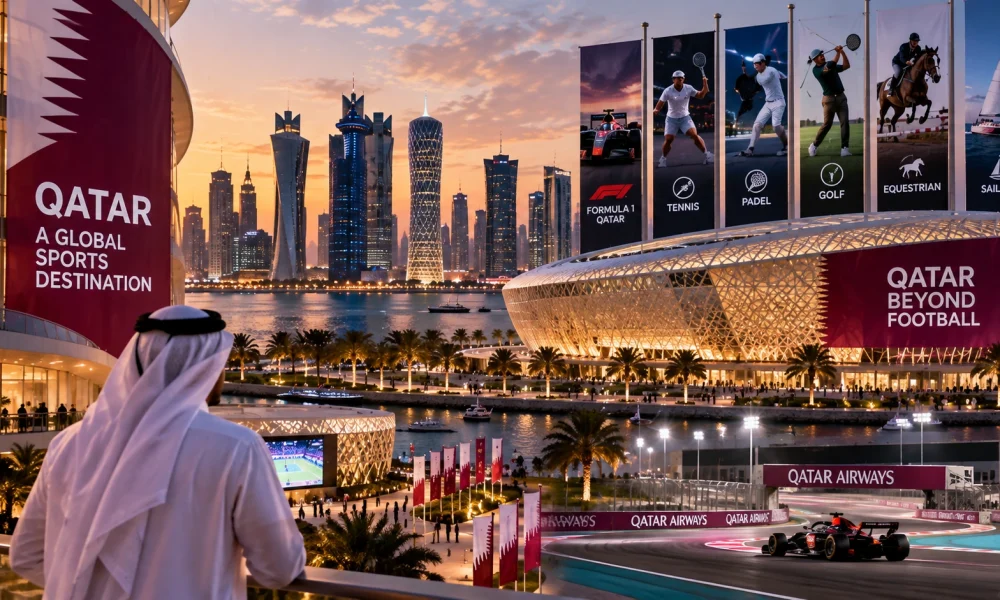
Qatar is seeking to strengthen its position as a major international sports destination, with the country preparing to host the 2030 Asian Games while also remaining a central venue for Formula 1 in the Gulf.
The developments were highlighted on October 7 as Qatar confirmed preparations for the Asian Games and continued work on its broader sports strategy.
The strategy reflects a transformation that has taken place across the Gulf.
Countries such as Qatar, Saudi Arabia and the United Arab Emirates are investing heavily in international sport as part of broader economic diversification programmes.
Qatar’s sports strategy is expanding
The 2022 FIFA World Cup placed Qatar at the centre of global sports attention.
The tournament created enormous infrastructure and international visibility.
The country is now attempting to use that foundation for a broader sports economy.
The Asian Games will provide another major international event.
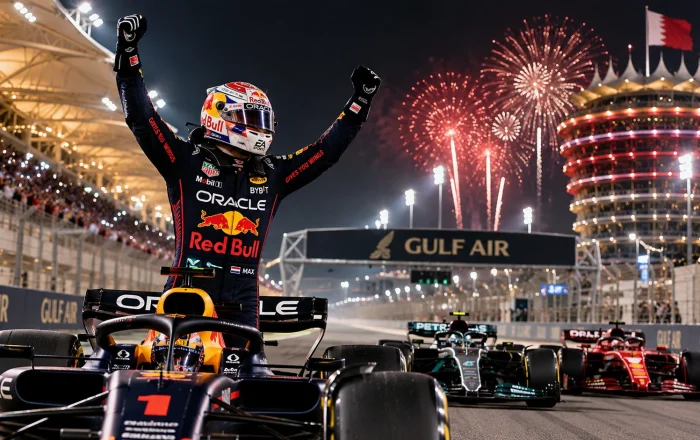
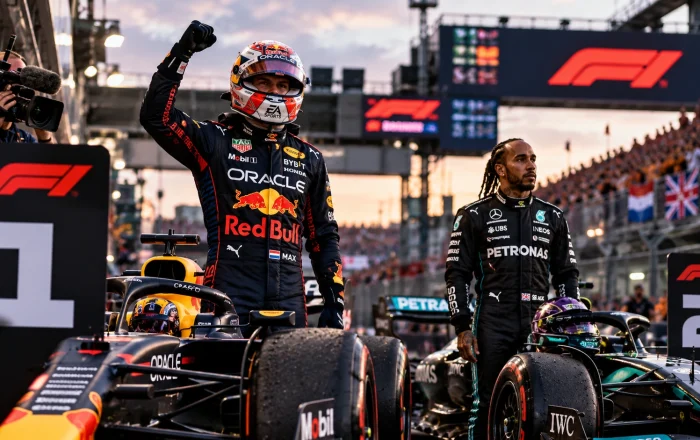
Formula 1 adds a regular annual event.
Football remains important, but the country’s strategy is increasingly diversified.
Why sport matters economically
International sporting events attract tourists, sponsors and media organisations.
They also create demand for hotels, restaurants, transportation and entertainment.
For countries seeking to diversify away from energy revenues, these industries can become increasingly important.
Sport can also strengthen a country’s international profile.
The Gulf is becoming a sports hub
The region now hosts major football competitions, Formula 1 races, boxing events, golf tournaments and esports competitions.
That has changed the geography of international sport.
Events that traditionally took place primarily in Europe or North America are increasingly moving to the Middle East.
The shift is driven partly by investment.
Gulf countries have the financial resources to build modern venues and offer significant commercial incentives.
Formula 1 remains important
Formula 1 has become one of the most visible examples of this strategy.
Qatar and Abu Dhabi host major races that attract international audiences.
The sport provides a combination of tourism, television exposure and corporate hospitality.
It also connects Gulf countries to global technology and automotive industries.
Asian Games could create another platform
The 2030 Asian Games will be particularly important because they involve a large number of countries across one of the world’s most populous regions.
Qatar will have an opportunity to demonstrate its ability to organise a multi-sport event at major international scale.
The event could also increase tourism from Asia.
Questions about sports investment remain
The expansion of Gulf sports investment has generated debate.
Critics argue that governments can use sport to improve international reputations.
Supporters say investment creates jobs, infrastructure and opportunities for athletes.
The economic impact therefore has to be considered alongside the broader political context.
The next phase is about sustainability
The biggest challenge for Qatar is ensuring that sports investment creates long-term economic value.
A major event can generate enormous attention during the competition.
The difficult part is maintaining activity afterward.
That requires professional leagues, regular events, tourism infrastructure and private-sector participation.
Qatar wants sport to become an industry
The country’s strategy suggests that sport is increasingly being treated not as a collection of individual events but as an economic sector.
That includes tourism, media, hospitality, sponsorship and entertainment.
The Asian Games and Formula 1 therefore fit into a larger strategy.
For Qatar, the goal is to remain visible on the global sports calendar while using that visibility to build a more diversified economy.
The coming years will show whether that strategy can create a sustainable sports ecosystem rather than simply a series of high-profile events.