Warm Browns Are Replacing Cooler Neutrals as Designers Prepare for the Next Interior Trend

The interior design industry is moving toward warmer, more grounded colours as designers increasingly look beyond the cool grey and beige palettes that dominated residential interiors for years.
One of the latest signals comes from British paint company Little Greene, which has named Marle its 2027 Colour of the Year. The warm brown shade is being positioned as a colour designed to bring comfort and character into homes.
The development is part of a broader shift in interior design.
Consumers are increasingly looking for homes that feel personal, comfortable and lived-in rather than highly polished spaces that resemble hotel rooms or showrooms.
Brown is making a comeback
Brown has traditionally been associated with traditional interiors, wood furniture and darker rooms.
Modern designers are approaching it differently.
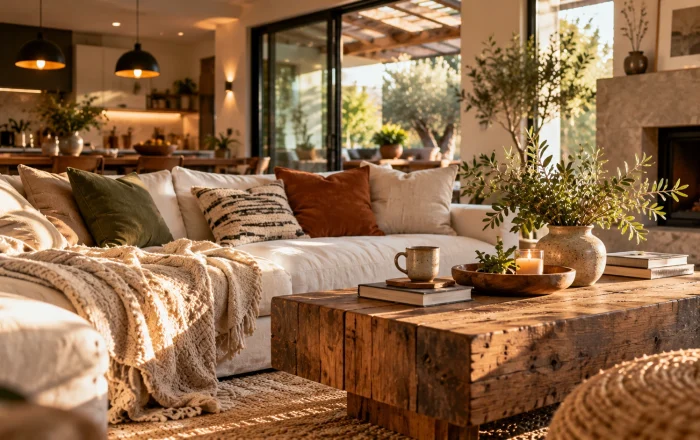
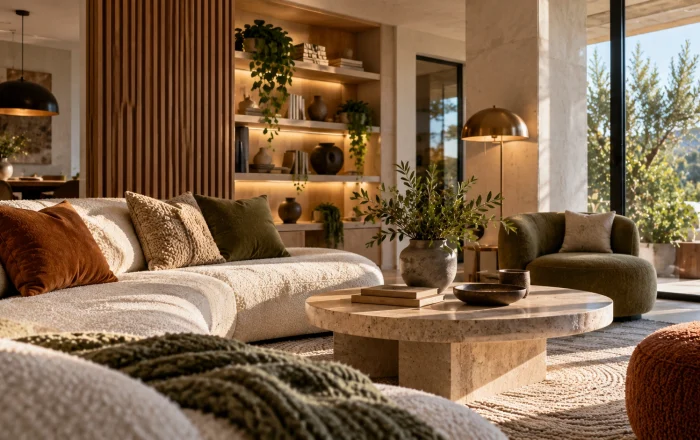
Warm browns can be combined with natural wood, stone, cream, muted green and softer textiles.
The result can feel contemporary while remaining comfortable.
The renewed interest in brown is also connected to a broader desire for natural materials.
Wood, wool, linen and stone all work naturally with warmer colours.
Comfort has become a design priority
Interior design trends increasingly reflect how people actually live.
During periods of economic uncertainty, homeowners often focus on improving existing spaces rather than undertaking expensive renovations.
That can mean changing paint colours, textiles, lighting or furniture rather than rebuilding a room.
Warm colours can make those relatively simple interventions feel significant.
A new wall colour can change the perception of an entire room without requiring major structural work.
The end of sterile minimalism?
The shift does not necessarily mean minimalism is disappearing.
Instead, minimalism is becoming softer.
Homes can still have clean lines and uncluttered layouts while incorporating warmer materials and more expressive colours.
The emphasis is moving from minimalism as an aesthetic rule to minimalism as a way of reducing visual stress.
That distinction is important.
Consumers are increasingly interested in homes that feel calm without looking empty.
Curved furniture remains popular
Another current design direction is the use of softer shapes.
Curved kitchens, rounded sofas and organic furniture forms continue to appear in contemporary interiors.
The trend works naturally with warm colours because both create a less rigid visual environment.
Instead of sharp lines and high contrast, designers are increasingly using texture and subtle variations in colour.
Seasonal decoration is also changing
Autumn has traditionally encouraged consumers to use warmer colours in their homes.
However, today’s trend is moving beyond seasonal decoration.
Rather than adding temporary orange or red accessories, homeowners can use long-lasting materials and colours that remain relevant throughout the year.
This approach is more compatible with sustainable consumption.
Consumers can update the atmosphere of a room without replacing large quantities of furniture every season.
Design becomes more personal
The strongest change may be the growing rejection of perfectly coordinated interiors.
People increasingly want rooms that reflect their own histories.
Vintage furniture, handmade objects, family photographs and unusual decorative pieces can coexist with contemporary design.
This creates a more layered aesthetic.
The home becomes less like a showroom and more like a reflection of the people who live there.
The next interior cycle
The popularity of warm browns suggests that the interior design industry is entering another colour cycle.
But the larger trend is more important than any single shade.
Consumers want comfort, natural materials and spaces that feel authentic.
For designers, that means creating interiors that are visually attractive without becoming disconnected from everyday life.
The next generation of interiors may therefore be defined less by a single dominant colour and more by a warmer, more personal approach to the home.