Yemen faces a growing public health emergency as conflict disrupts medical services
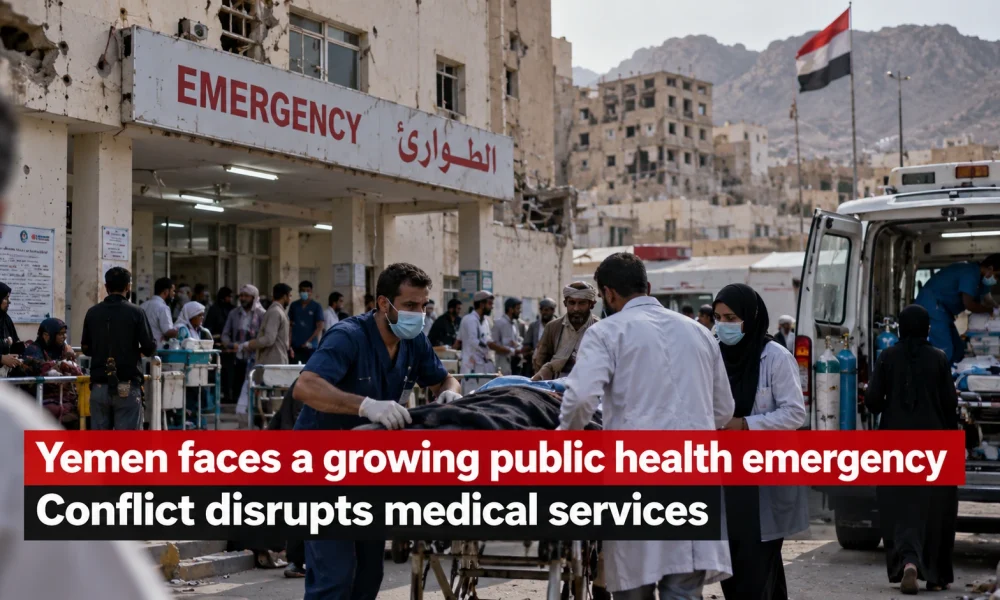
The humanitarian crisis in Yemen is creating additional risks for public health as fighting intensifies and medical services become increasingly difficult to maintain.
The World Health Organization has warned that supplies of essential medicines and medical materials are running low, while health facilities in some areas have been forced to redirect resources toward treating people injured in the fighting.
The consequences extend beyond injuries caused directly by conflict.
Displacement, overcrowding and deteriorating sanitation increase the risk of infectious diseases such as cholera and measles.
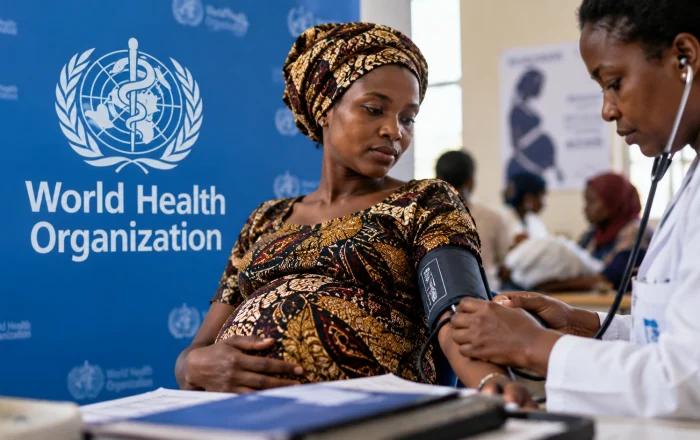
The WHO has reported that emergency obstetric and newborn services have been suspended in two hospitals because staff and capacity have been redirected toward trauma care.
That creates a secondary health crisis.
Pregnant women and newborns require specialised services that cannot easily be replaced by emergency trauma units. When those services disappear, the risk of complications and preventable deaths increases.
Children are particularly vulnerable in displacement settings.
Crowded shelters, limited access to clean water and interruptions to vaccination programmes can create conditions in which infectious diseases spread rapidly.
Cholera is especially concerning because outbreaks can develop quickly when water and sanitation systems are damaged.
The health crisis is therefore closely linked to the wider humanitarian situation.
International organisations require access to affected communities, funding and supplies to maintain basic services.
The current situation in Yemen demonstrates how conflict can damage healthcare systems even when hospitals themselves are not directly attacked. Staff shortages, disrupted supply chains and the diversion of resources can be enough to reduce access to essential treatment.
For the international health community, the immediate priority is maintaining emergency care while preventing outbreaks of infectious diseases.
The longer-term challenge is rebuilding a health system capable of providing routine services once the immediate crisis subsides.
Sources: World Health Organization, United Nations