Restaurant groups turn to technology as labour costs and consumer expectations reshape dining
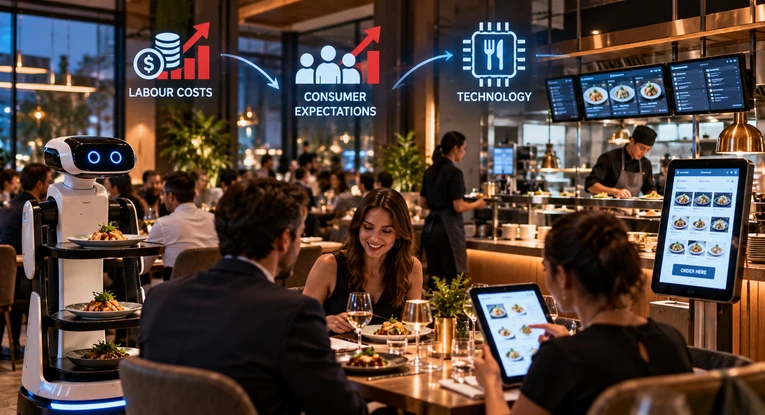
Technology is becoming increasingly important in the restaurant industry as operators look for ways to improve efficiency while maintaining the quality of the customer experience.
The latest industry developments show restaurants experimenting with electric and technology-focused kitchen equipment, new operating models and data-driven menu strategies. Foodservice industry coverage this week has highlighted the growing focus on flexible, technology-enabled equipment and operational efficiency.
The change is partly driven by rising operating costs.
Restaurants must manage labour, energy, food ingredients, rent and delivery expenses, while customers remain sensitive to menu prices.
Technology can help restaurants reduce some of these pressures.
Automated kitchen equipment can improve consistency and reduce repetitive work, while digital ordering systems can help manage demand during busy periods.
Artificial intelligence is also entering the sector.
Restaurants are exploring AI for forecasting demand, analysing menus, optimising staffing and personalising marketing.
McDonald’s, for example, is increasingly using AI to guide menu pricing in the United States and some international markets. The aim is to make pricing decisions more responsive to demand and local conditions.
Dynamic pricing remains controversial because restaurants must balance revenue optimisation with customer expectations.
Consumers generally want prices to be predictable, particularly in food service.
The industry is therefore searching for ways to use technology without making the dining experience feel overly automated.
At the same time, restaurant brands are investing in physical experiences.
New concepts, redesigned locations and distinctive menus are being used to give customers reasons to visit restaurants rather than ordering everything through delivery platforms.
The result is a hybrid model in which technology handles more of the operational work while the customer-facing experience becomes increasingly important.
For restaurant groups, the challenge is finding the right balance.
Efficiency can improve margins, but hospitality remains fundamentally dependent on service, food quality and atmosphere.
The next generation of restaurants is therefore likely to combine technology behind the scenes with a deliberately human experience at the table.