Paris Fashion Week Shows Luxury Is Changing, Not Disappearing
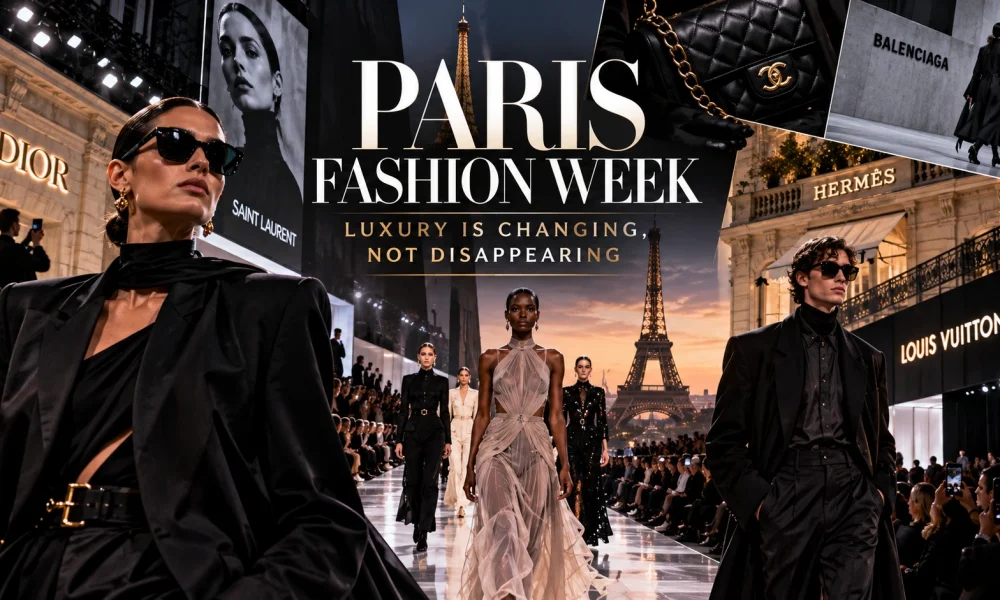
Paris Fashion Week is closing its Spring/Summer 2027 edition against a complicated backdrop for the global luxury industry.
The sector has experienced several years of slower growth, weaker consumer confidence and changing purchasing habits, yet the latest Paris collections suggest that fashion houses are not simply retreating. Instead, they are placing greater emphasis on craftsmanship, strong creative identities and experiences designed to make luxury feel relevant again.
The Paris calendar, running from September 28 to October 6, features 68 shows and 34 presentations, bringing together established houses, new creative directors and emerging labels.
Fashion becomes an experience
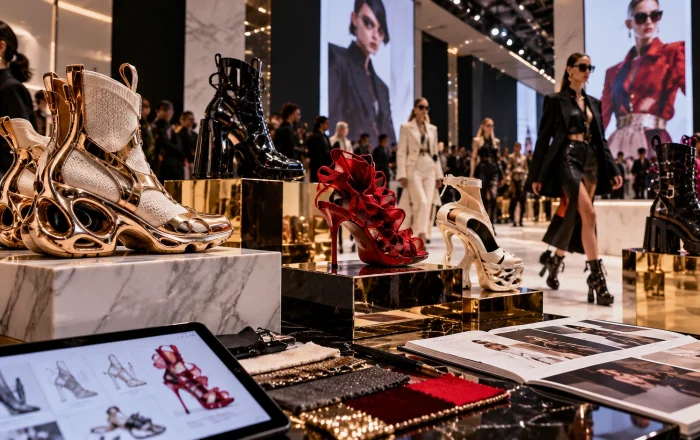
Several of the most discussed shows this season have focused as much on presentation as on the clothes themselves.
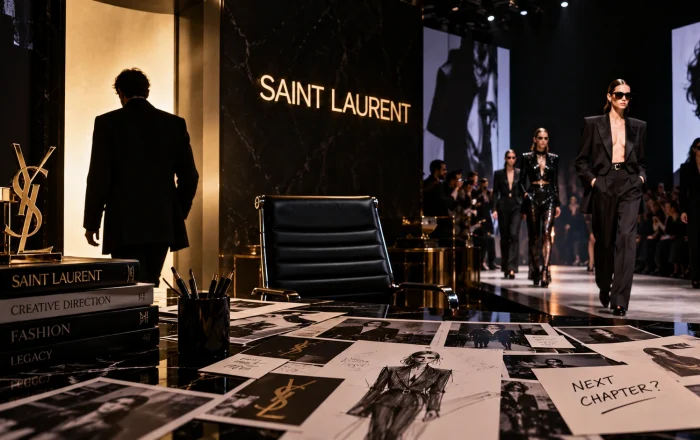
Saint Laurent staged an elaborate production near the Eiffel Tower, while other houses used dramatic locations, theatrical styling and highly controlled visual identities to create events that extend well beyond the runway.
The approach reflects a broader change in luxury marketing.
When consumers are more selective about spending, brands have to offer more than a recognisable logo. Fashion shows increasingly function as cultural events, generating images, social media conversations and celebrity attention long after the collection has ended.
Craftsmanship becomes a selling point
Paris designers are also placing renewed emphasis on the technical side of fashion.
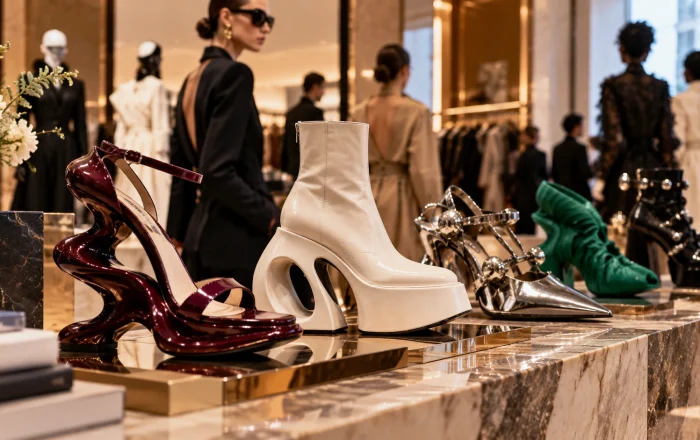
Loewe, Saint Laurent and other major houses have highlighted construction, materials and atelier techniques as ways to justify premium prices.
The strategy comes at a time when consumers have become more aware of the difference between products built around craftsmanship and those relying primarily on branding.
For luxury companies, that distinction matters.
If prices remain high while customers question the value of a product, the brand needs to demonstrate why the product deserves that price.
The end of easy luxury growth
The fashion industry’s economic environment has changed significantly.
Global luxury sales have remained broadly stagnant for several years, while Chinese demand has weakened and middle-class consumers in Western markets have become more cautious.
Investor sentiment has also reflected these concerns. Shares in major luxury groups such as LVMH and Prada are currently trading at significant discounts compared with some fast-fashion companies, according to The Wall Street Journal.
That does not mean consumers have stopped buying luxury.
Instead, spending has become more concentrated.
Brands with a strong relationship with ultra-wealthy customers continue to operate in a different segment from labels that depend heavily on aspirational shoppers.
Fashion returns to personality
The creative direction of the Paris season also reflects a desire to move away from minimalism that dominated parts of the luxury market in recent years.
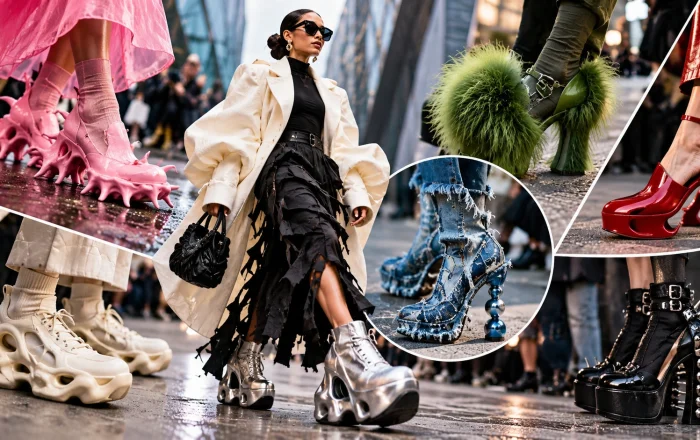
Runways have featured stronger silhouettes, more visible styling and designs intended to create an immediate visual impact.
The shift is not simply about trends.
It reflects the industry’s attempt to create a more distinctive emotional connection with consumers.
Fashion houses are competing not only against other luxury brands but also against resale platforms, social media creators and fast-fashion companies that can reproduce visual trends at much lower prices.
Paris remains the centre of the conversation
Despite the industry’s challenges, Paris continues to occupy a unique position in global fashion.
The city brings together designers, buyers, celebrities, journalists, investors and cultural institutions in a concentrated period of international attention.
This year’s edition demonstrates that luxury fashion is entering a period of adjustment rather than disappearing.
The industry’s next phase is likely to depend less on continuous price increases and broader aspirational demand and more on creativity, craftsmanship, exclusivity and the ability to turn fashion into culture.
Sources: Associated Press, Vogue, The Wall Street Journal, The Guardian, Paris Fashion Week.