Travel Industry Shifts Toward Local Experiences as Autumn Demand Remains Strong
The international travel industry is entering the autumn season with travellers increasingly interested in experiences that combine accommodation with food, culture, wellness and local identity.
The change is creating opportunities for destinations and smaller hospitality businesses that can offer something beyond traditional sightseeing.
Bangkok remains a major destination
Bangkok continues to attract international travellers because of its combination of hotels, food, shopping, nightlife and cultural attractions.
The city has also strengthened its position as a hub for regional travel across Southeast Asia.
Its appeal illustrates how modern tourism increasingly depends on having multiple experiences available within the same destination.
Autumn changes travel patterns
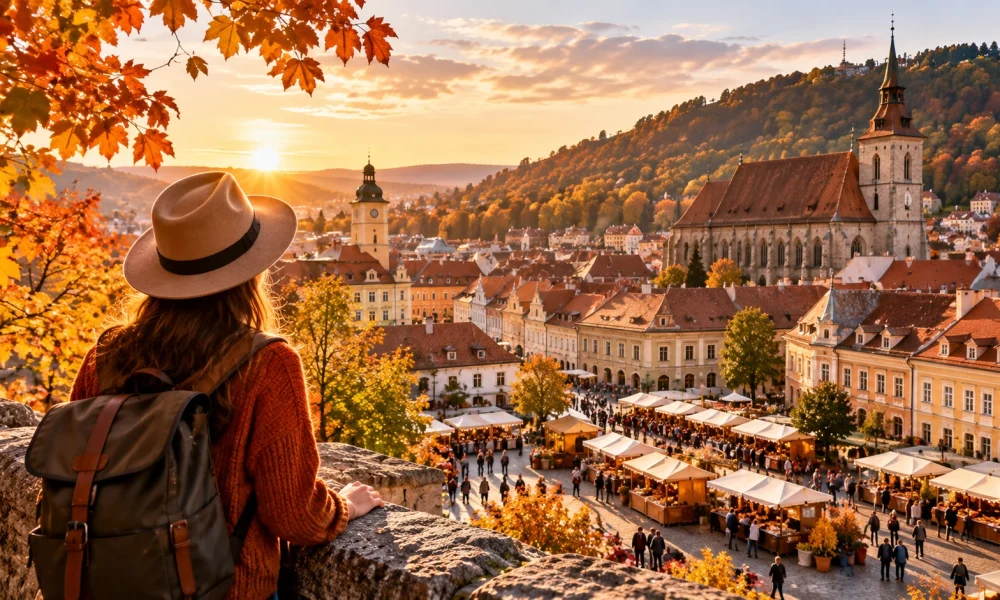
October is an important period for European tourism.
Temperatures are generally lower than during the summer peak, making city breaks and cultural trips more attractive.
Destinations are increasingly promoting food festivals, exhibitions and seasonal events as reasons for travellers to visit outside the traditional summer period.
Luxury travel becomes more personalised
High-end travellers are also looking for more individualised experiences.
Hotels and resorts are increasingly building packages around wellness, gastronomy, private tours and cultural activities rather than simply selling accommodation.
The trend is particularly visible in the luxury hospitality sector, where travellers are willing to pay more for privacy and personalised service.
Digital tools change how trips are planned
Technology is also reshaping travel planning.
Travellers increasingly use AI-powered search and recommendation tools to build itineraries, compare accommodation and discover restaurants and attractions.
That creates both opportunities and challenges for tourism businesses.
Hotels and destinations need to ensure that their information is accurate and visible across increasingly automated travel platforms.
Local businesses gain importance
One of the biggest changes in tourism is the growing value of local experiences.
Travellers increasingly want to discover neighbourhood restaurants, independent hotels, markets, cultural events and activities that are not necessarily part of traditional package tourism.
For destinations, this can also help distribute tourism spending more widely.
A more experience-driven industry
The travel market is therefore moving beyond the simple question of where people want to go.
Travellers are increasingly deciding based on what they can do once they arrive.
Food, culture, design, wellness and personal experiences are becoming central parts of the decision-making process.
For the global tourism industry, that creates a more competitive market but also new opportunities for destinations willing to develop experiences that feel genuinely local.