How much screen time is too much? A practical framework for families
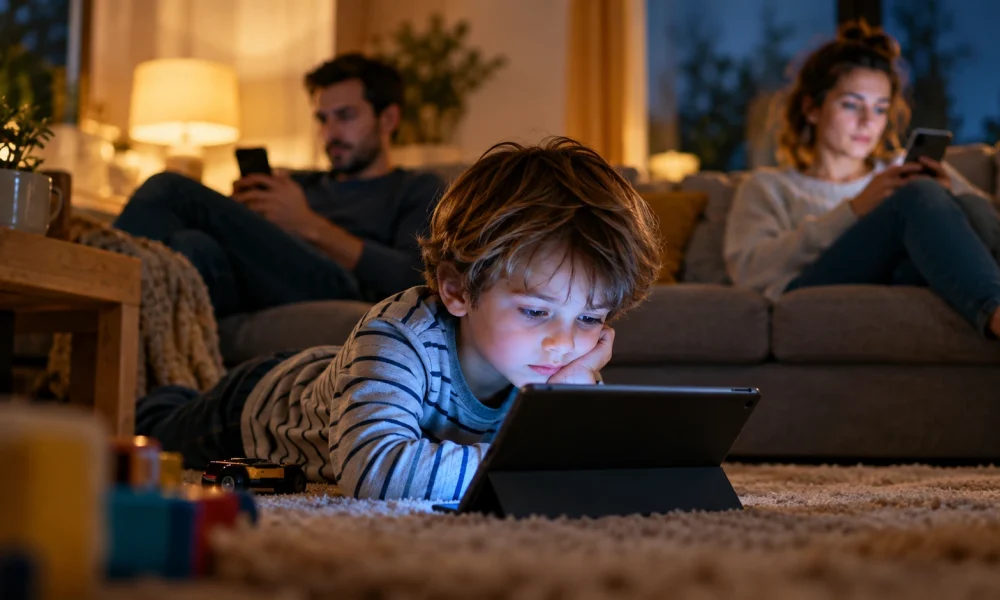
Screen time debates tend to get stuck on a single number, as if two hours were automatically fine and three automatically harmful, when in practice what’s on the screen and what it’s replacing usually matter more than the total minutes. An hour of a video call with grandparents and an hour of passively scrolling short videos aren’t really the same category of “screen time,” even though they’d count identically on a tracking app.
A framework that tends to work better in practice looks at three questions instead of a single limit: is the activity active or passive, is it replacing sleep, homework or in-person time, and does the child seem able to stop on their own when asked. A family that pays attention to those three things often ends up with more flexible, and more honestly followed, limits than one built around a strict daily number that gets negotiated every single evening.
It also helps to apply the same questions to adults in the house, not just children. Kids tend to notice, and push back on, screen rules that only apply to them while parents scroll freely at the dinner table.
Checking in with a child occasionally about how a particular app or game makes them feel, rather than just how long they used it, often surfaces more useful information than any screen time report a phone can generate on its own.
Consistency, applied gently over time, tends to work better for families than any single rule imposed all at once and enforced strictly from day one.
In the end, the people who get the most out of technology at home tend to be the ones who treat it as something to periodically tidy and check in on, not something that’s set up once and left alone indefinitely.
Treating a device or a system this way, as something worth a few minutes of attention now and then, tends to prevent most of the bigger headaches that show up later, when a small issue has had months to quietly turn into a bigger one.