Paris Fashion Week Shows How Luxury Is Adapting to a More Demanding Consumer
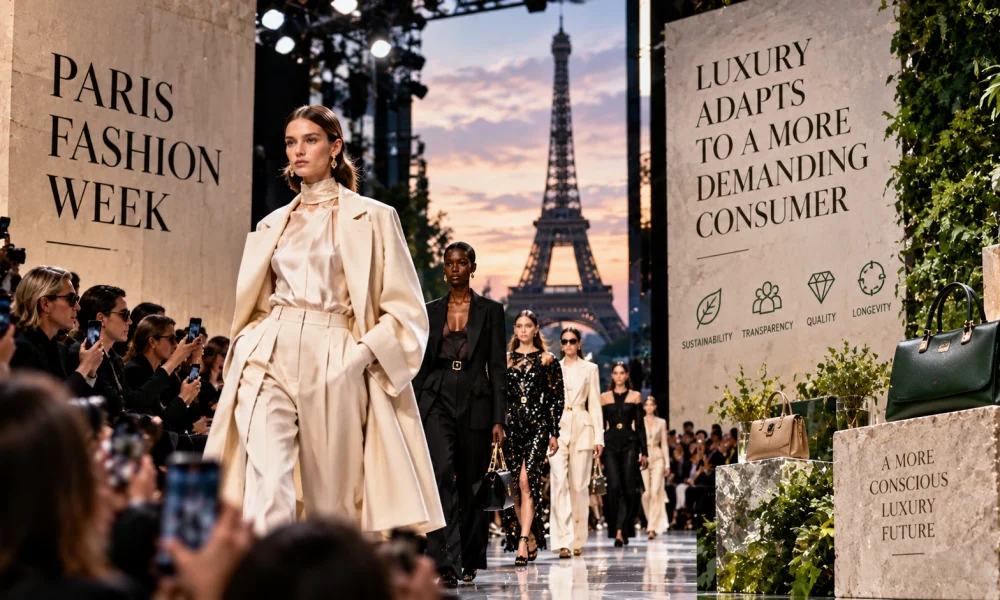
Paris Fashion Week is entering its final stages with designers attempting to balance traditional luxury with changing consumer expectations.
Hermès presented one of the weekend’s most closely watched collections on Saturday, with creative director Nadège Vanhée focusing on light fabrics, gauzy textures, airy knits and relaxed silhouettes.
Luxury becomes lighter
The Hermès collection reflects a broader movement within fashion toward clothing that feels less formal and more adaptable.
The pieces retained the craftsmanship associated with the French house but introduced softer shapes and lighter materials designed for warmer weather.
This balance between heritage and practicality has become increasingly important for luxury brands.
The industry faces weaker demand
Luxury companies are operating in a difficult market.
Consumer spending has weakened in some important regions, particularly China, while middle-income shoppers in Western markets have become more selective.
That has increased pressure on major fashion houses to make collections feel relevant rather than relying solely on brand prestige.
Personal style is becoming more important
Consumers are also mixing luxury products with vintage clothing, independent labels and more affordable brands.
Social media has accelerated this change.
Instead of following a single designer’s complete look, consumers increasingly build their own combinations.
That creates an environment in which individual pieces must compete on design and versatility.
Paris remains the industry’s centre
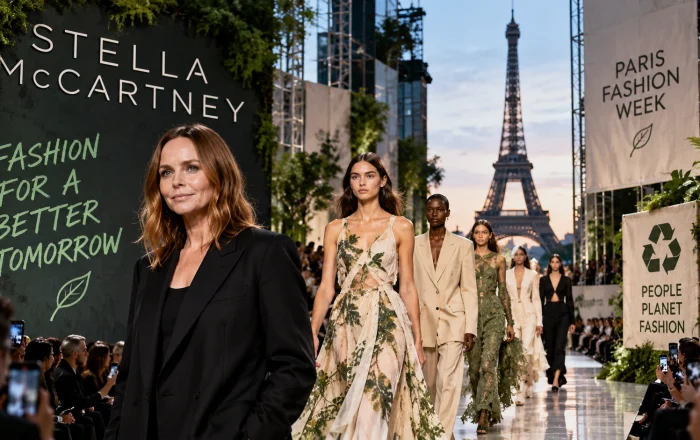
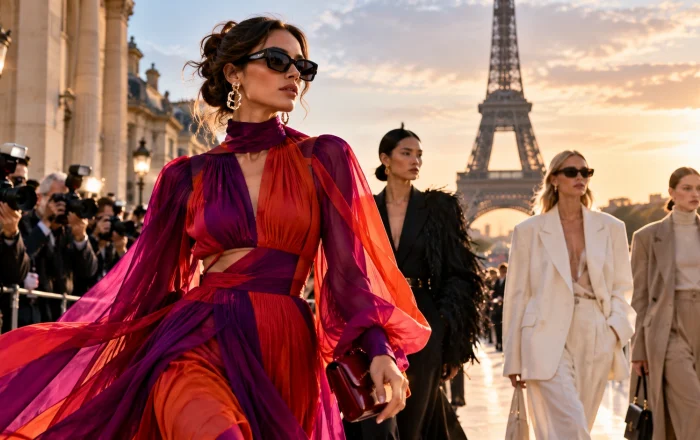
Despite the challenges, Paris Fashion Week continues to attract global attention.
Chloé, Saint Laurent and other major houses are using elaborate shows and celebrity appearances to maintain visibility.
The industry is therefore not abandoning traditional luxury.
Instead, it is attempting to redefine what luxury means in a market where consumers are more selective about price, quality and personal identity.