How to choose your first smartwatch
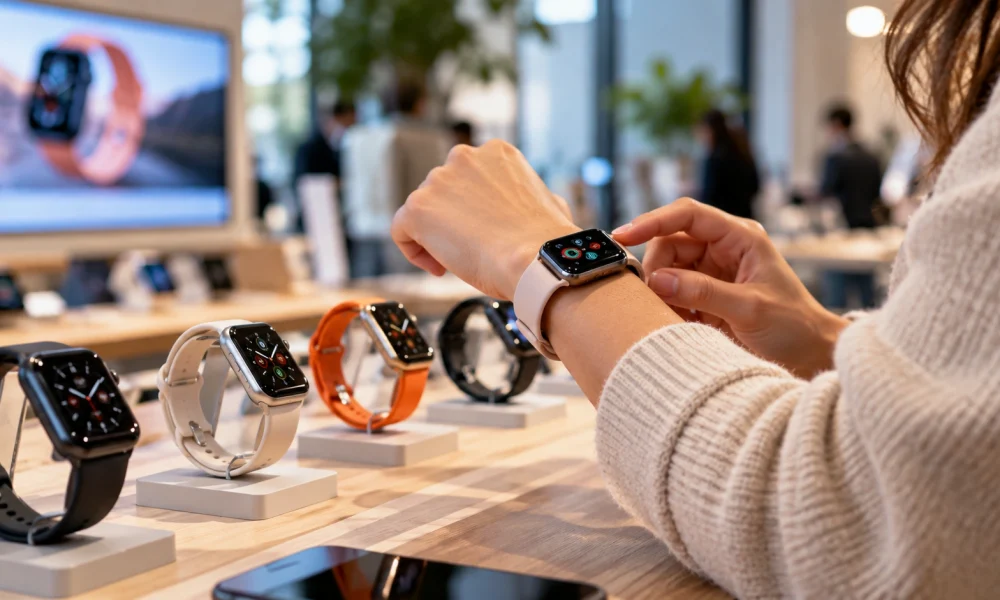
Smartwatches split fairly cleanly into two categories that get marketed together but serve different purposes: fitness-focused watches built around tracking workouts and health metrics, and general smartwatches built more around notifications, apps and convenience, with fitness features included as a bonus rather than the main point. Figuring out which category actually matters more to daily life narrows the choice far faster than comparing feature lists.
For someone mainly interested in tracking runs, sleep or heart rate, a dedicated fitness watch usually offers longer battery life and more detailed data than a general smartwatch, sometimes lasting a week or more per charge instead of a day or two. For someone who mainly wants notifications, quick replies and app access on the wrist, a general smartwatch tends to feel more useful day to day, even if it needs charging more often.
Compatibility is worth checking before anything else, since some smartwatches work fully only with a matching phone brand and offer a stripped-down experience with anything else. A smartwatch that looks perfect in a review but only shows half its features on someone’s actual phone tends to end up in a drawer within a few months.
Trying a smartwatch on for a day, if a store allows it, reveals more about comfort and daily usefulness than any spec sheet, since the difference between a watch worn happily every day and one that ends up in a drawer often comes down to something as simple as weight or strap comfort.
The right smartwatch is ultimately the one that actually gets worn every day, which has less to do with its feature list than most buying guides suggest.
In the end, the people who get the most out of technology at home tend to be the ones who treat it as something to periodically tidy and check in on, not something that’s set up once and left alone indefinitely.