BMW puts AI and cost cutting at the centre of its next turnaround plan
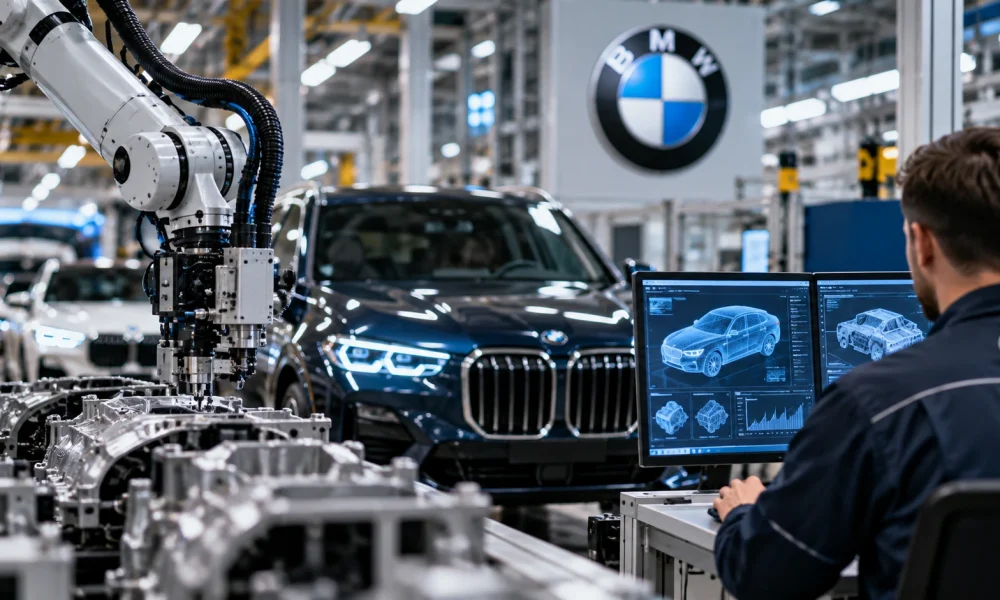
BMW is restructuring its automotive business around artificial intelligence, cost reductions and new vehicle launches as the German manufacturer attempts to improve profitability and strengthen its position during the industry’s transition toward electric and software-defined vehicles.
The company outlined the restructuring plan on September 30, with management reductions and two new model launches forming part of the strategy.
The move reflects the pressures facing traditional premium automakers.
Luxury car manufacturers are investing heavily in electric vehicles, software platforms and new production technologies while also dealing with intense competition from Chinese manufacturers.
BMW’s response combines investment with cost control.
AI is expected to play a growing role in product development, manufacturing and vehicle software. Automakers are using artificial intelligence to analyse engineering data, improve production processes and develop advanced driver assistance systems.
At the same time, reducing management layers can help companies lower costs and accelerate decision-making.
The challenge is that automotive transformation requires enormous investment.
Manufacturers must develop new electric platforms while continuing to support combustion-engine vehicles during the transition period. They also need to maintain global production networks and comply with increasingly complex emissions regulations.
BMW is not alone in facing this dilemma.
European manufacturers are under pressure from Chinese competitors that have developed strong positions in electric vehicles and battery technology.
The competition is increasingly about software, battery efficiency and production costs rather than only vehicle design.
For BMW, the new strategy therefore represents an attempt to combine the strengths of a premium brand with a faster and more technology-driven operating model.
The success of the plan will depend on whether new models generate sufficient demand and whether efficiency improvements can offset the costs of the transition.
The broader message for the European automotive industry is clear: the next phase of competition will not be determined only by how attractive a car is, but also by how efficiently it can be developed, manufactured and continuously improved through software.
Sources: Reuters, BMW.