What makes a good esports coach, beyond deep game knowledge
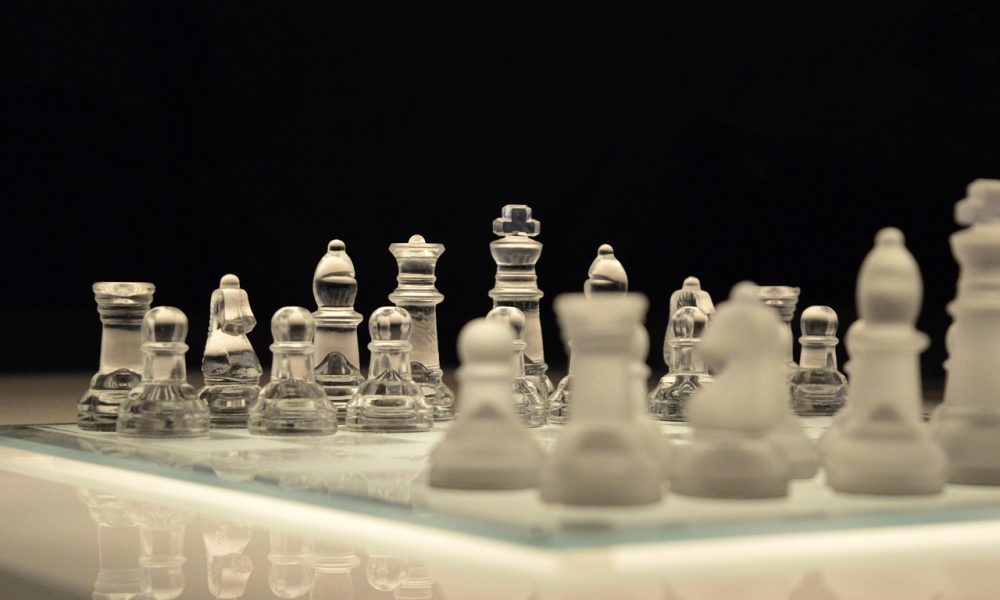
Esports coaching has evolved well beyond simply having deep knowledge of a specific game, and top organizations increasingly hire for a broader skill set that includes team psychology, communication, and structured practice design, not just tactical expertise in the game itself.
A significant part of a modern esports coach’s role involves managing the intense psychological pressure of competitive play, helping players manage tilt, the frustration and impaired decision-making that follows a bad play or loss, since even a technically excellent player can perform poorly if unable to reset mentally after a setback mid-match.
Scrim scheduling and practice structure matter as much as raw hours logged: research and practical experience across multiple esports titles has shown that unstructured, excessive practice hours often produce worse results than a more deliberately structured practice schedule that includes genuine rest, similar to periodization principles used in traditional sports training.
The best esports coaches increasingly function more like general managers than pure tacticians, balancing in-game strategy with roster chemistry, player wellbeing and long-term development, a shift that has professionalized coaching roles considerably compared to the scene’s earlier years.
None of this requires insider knowledge to understand, just a bit of context that rarely gets spelled out clearly for newer fans following the scene, which is part of why misconceptions persist even among fairly engaged viewers.
It’s a small piece of context, but one that tends to shape how the wider esports industry actually functions, more than its modest complexity would suggest at first glance.
This distinction rarely comes up in casual conversation about the scene, but it explains a lot about how organizations, players and fans actually experience the competitive side of esports on a day-to-day basis, beyond just watching the matches themselves.
It rarely feels urgent, but it shapes the scene more than most casual viewers realize.