League of Legends takes centre stage at the Asian Games as South Korea begins its title defence
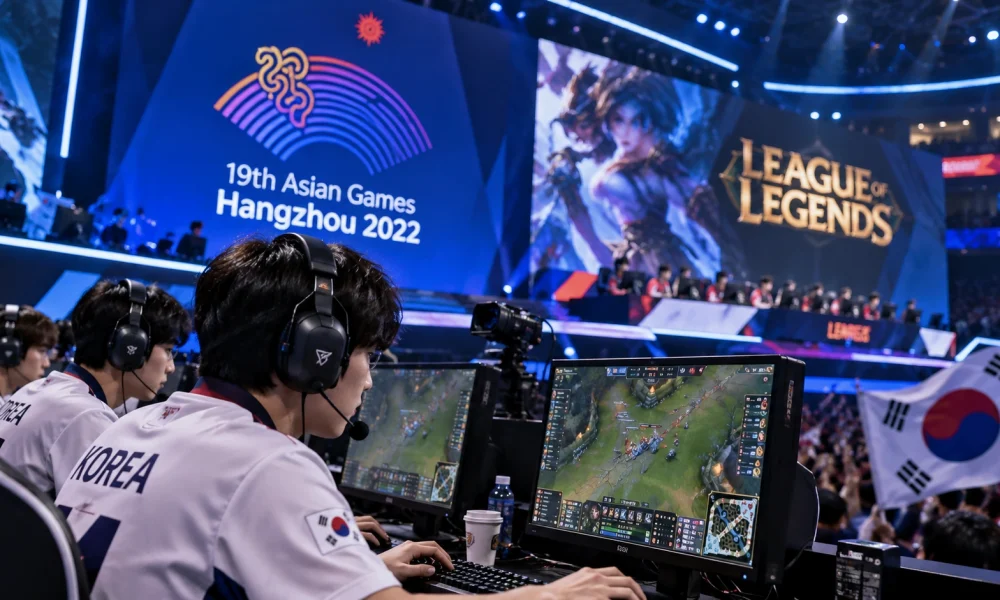
Esports has returned to the Asian Games with League of Legends among the headline competitions, bringing some of the biggest names in professional gaming into a national-team format.
South Korea entered the tournament as defending champions and began its group-stage campaign on September 30, facing Taiwan, India and Hong Kong in Group B at the Aichi Sky Expo in Japan.
The Korean roster includes players from major professional organisations, including Hanwha Life Esports’ Zeka.
The format is different from the regular professional season.
Instead of competing for their clubs, players represent their countries. That creates a different competitive environment and adds national significance to matches that would normally be part of a club-based esports ecosystem.
South Korea is one of the strongest countries in competitive League of Legends, and its presence at the Asian Games has helped reinforce the position of esports as an organised international sporting discipline.
The tournament also includes several other Asian countries, giving players an opportunity to compete against opponents who normally meet only in regional or international club competitions.
Taiwan is one of the most important opponents in the group, while India and Hong Kong complete the initial stage.
The Asian Games format also exposes esports to a wider audience.
Unlike traditional esports tournaments, which are often followed primarily by gaming communities, the Asian Games are watched as part of a broader sporting event.
That visibility could help esports organisations attract new audiences and strengthen their relationship with national sports institutions.
For players, a medal also carries a different meaning from a club championship.
A successful campaign can become part of a country’s sporting record, potentially helping esports gain further recognition alongside established disciplines.
The 2026 Asian Games therefore represent more than another League of Legends tournament.
They are another test of whether esports can operate successfully within a large multi-sport international event and whether national representation can become a lasting part of competitive gaming.