How a parliamentary system differs from a presidential one
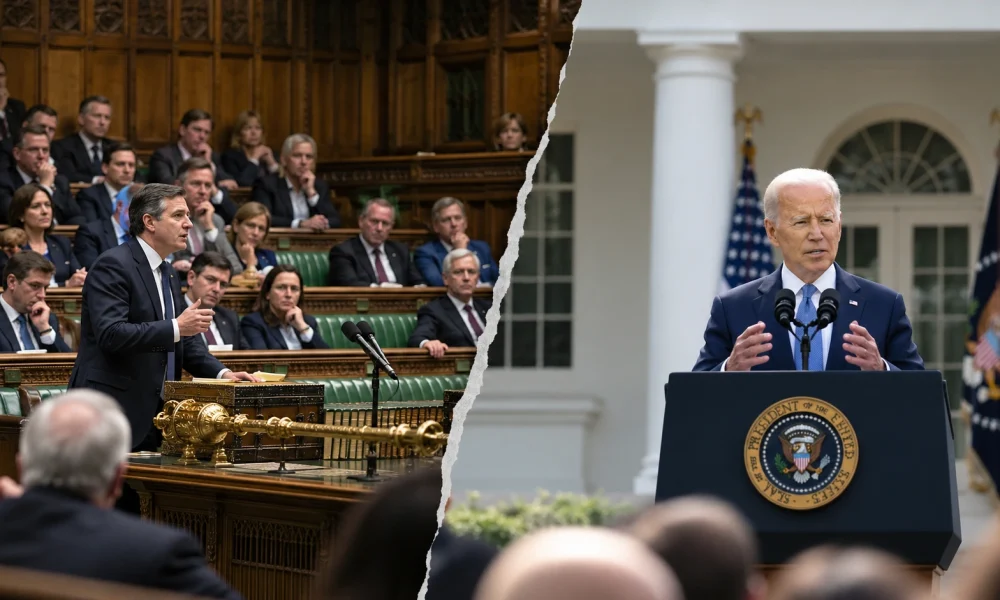
Democracies around the world are generally organized around one of two broad structures, parliamentary or presidential, and understanding the basic mechanical difference between them explains a lot about how governments form, function and occasionally collapse in different countries.
In a parliamentary system, the executive branch, typically led by a prime minister, is drawn from and remains accountable to the legislature, meaning the government can be removed through a vote of no confidence without waiting for a scheduled election. In a presidential system, the head of government is elected separately from the legislature for a fixed term, creating a clearer separation between the executive and legislative branches, but also making it harder to remove a sitting president before their term ends short of a formal process like impeachment.
Neither structure is inherently more stable or more democratic than the other; each comes with its own tradeoffs. Parliamentary systems can adapt faster to shifting political coalitions but can also produce frequent government turnover in fragmented multi-party systems, while presidential systems offer more stability of tenure but can produce prolonged gridlock if the president and legislature are controlled by opposing parties.
Many countries also use hybrid or semi-presidential systems, combining an elected president with a prime minister accountable to parliament, splitting executive authority between the two roles in ways that vary considerably from one country’s constitution to the next.
None of this requires specialized political science training to follow, just a bit of context that rarely gets spelled out clearly in day-to-day news coverage, which is part of why these distinctions get glossed over even in otherwise thorough reporting.
It’s a small piece of civic knowledge, but one that makes following political news considerably easier to interpret accurately, well beyond what its modest complexity would suggest on its own.
This distinction rarely comes up in casual political conversation, but it explains a lot about why the same news event can look so different depending on which country’s institutional structure is actually involved, once someone looks past the surface-level headline.